India's Forex Reserves Fell $4.92 Billion — The $780.78 Billion Buffer Is Being Put to Work
The weekly decline arrived as traders reported central-bank dollar selling near a rupee record low, illustrating that reserves are insurance to be deployed—not a score that must rise every week.

India's Forex Reserves Fell $4.92 Billion — The $780.78 Billion Buffer Is Being Put to Work
*By PriceVia Macro Desk | Published September 20, 2026 | Updated September 20, 2026*
Why this matters now
The weekly decline arrived as traders reported central-bank dollar selling near a rupee record low, illustrating that reserves are insurance to be deployed—not a score that must rise every week.
This is a developing business story. PriceVia separates the reported fact pattern from interpretation, and the analysis below states where figures are estimates, plans or source-based claims.
Key points
- India's foreign-exchange reserves fell $4.92 billion to $780.78 billion in the week ended September 11. - The rupee traded near 96.08 per dollar on September 17, with state banks selling dollars. - Reserve valuation changes and intervention can both move the weekly stock.
The numbers
| Metric | Value | Context | |---|---:|---| | Reserve stock | $780.78bn | Week ended Sep 11 | | Weekly change | -$4.92bn | Headline reserves | | Rupee reference | 96.08/$ | September 17 | | Intervention | Likely | Trader assessment | | Reporting lag | 6 days | Reserve week to rupee date | | Policy tool | FX sales | Volatility control |
What happened — confirmed facts
Economic Times, citing Reserve Bank of India data, reported the weekly decline in reserves. Reuters later reported that state-run banks sold dollars as the rupee weakened, which traders interpreted as likely RBI intervention. The dates do not line up perfectly: reserve data cover the week ended September 11, while the rupee report is from September 17. The two therefore provide context, not a one-for-one accounting explanation.
What the market may be missing — PriceVia analysis
PriceVia analysis: the correct question is not whether reserves fell in one week, but whether intervention smooths disorderly moves without encouraging one-way speculation. A large buffer has value precisely because it can be used. The stress signal would be a persistent combination of rapid reserve loss, wider forward premiums, weaker liquidity and currency underperformance relative to peers.
Positive case
Oil and global yields ease, intervention restores two-way trading and the reserve buffer remains ample relative to imports and external liabilities.
In this case, the headline development becomes a durable operating or policy change. Confirmation would come from execution data rather than repeated statements of intent.
Downside case
High crude, a stronger dollar and capital outflows force repeated sales while hedging demand raises domestic funding costs.
The downside is not automatically the opposite of the headline. It can emerge through delay, cost, weak adoption, difficult financing or a change in the wider market backdrop.
What would change the story
RBI weekly releases, forward-book disclosures, trade data and the rupee's performance against Asian peers would change the judgement.
Readers should give primary filings and regulator releases more weight than commentary when new evidence becomes available.
Related stocks and themes
The rupee, importers, IT exporters, banks, oil marketing companies, sovereign bonds and foreign portfolio flows.
Exposure can be indirect: suppliers, customers, financiers and competing technologies may react differently from the named organisation.
How to read it
A weekly reserve move is noisy. Use a multi-week trend and separate currency valuation effects from actual dollar sales.
Avoid turning one data point into a forecast. Compare it with the relevant base period, implementation timetable and cash-flow consequence.
Reader checklist
- Track multi-week reserve trend; narrative can move before the underlying evidence. - Track RBI forward positions; narrative can move before the underlying evidence. - Track rupee peer performance; narrative can move before the underlying evidence.
PriceVia View
the correct question is not whether reserves fell in one week, but whether intervention smooths disorderly moves without encouraging one-way speculation. A large buffer has value precisely because it can be used.
The opportunity and the risk should be held together until measurable outcomes arrive. That is especially important when a story includes targets, forecasts, proposed transactions or management commentary.
Sources and timestamps
- [S1 — Economic Times: reserve data](https://m.economictimes.com/news/economy/indicators/indias-forex-reserves-drops-4-92-billion-to-780-78-billion-as-of-september-11/articleshow/134334294.cms) — published 2026-09-18; accessed 2026-09-20T17:55:00+05:30 - [S2 — Reuters: likely RBI intervention](https://www.reuters.com/world/india/indian-central-bank-likely-intervenes-limit-rupees-fall-traders-say-2026-09-17/) — published 2026-09-17; accessed 2026-09-20T17:55:00+05:30 - [S3 — RBI: weekly statistical supplement](https://www.rbi.org.in/Scripts/WeeklyStatisticalSupplement.aspx) — published 2026-09-20; accessed 2026-09-20T17:55:00+05:30 - [S4 — RBI: database on Indian economy](https://dbie.rbi.org.in/) — published 2026-09-20; accessed 2026-09-20T17:55:00+05:30
Visual disclosure
Hero visual created specifically for this article. Thumbnail text: “WHY RESERVES JUST FELL”. It is an editorial illustration, not a market-data, legal, medical or regulatory screenshot.
Market-risk disclaimer
This article is for market education and information only. It is not investment advice, a recommendation or a promise of returns. Market prices, policy decisions, deal terms and forecasts can change. Verify the latest primary disclosures and assess suitability and risk independently.
- multi-week reserve trend
- RBI forward positions
- rupee peer performance
Risk context: This article is for market education and information only. It is not investment advice, a recommendation or a promise of returns. Market prices, policy decisions, deal terms and forecasts can change. Verify the latest primary disclosures and assess suitability and risk independently.
- m.economictimes.com2026-09-18
- reuters.com2026-09-17
- rbi.org.in2026-09-20
- dbie.rbi.org.in2026-09-20
Related PriceVia analysis
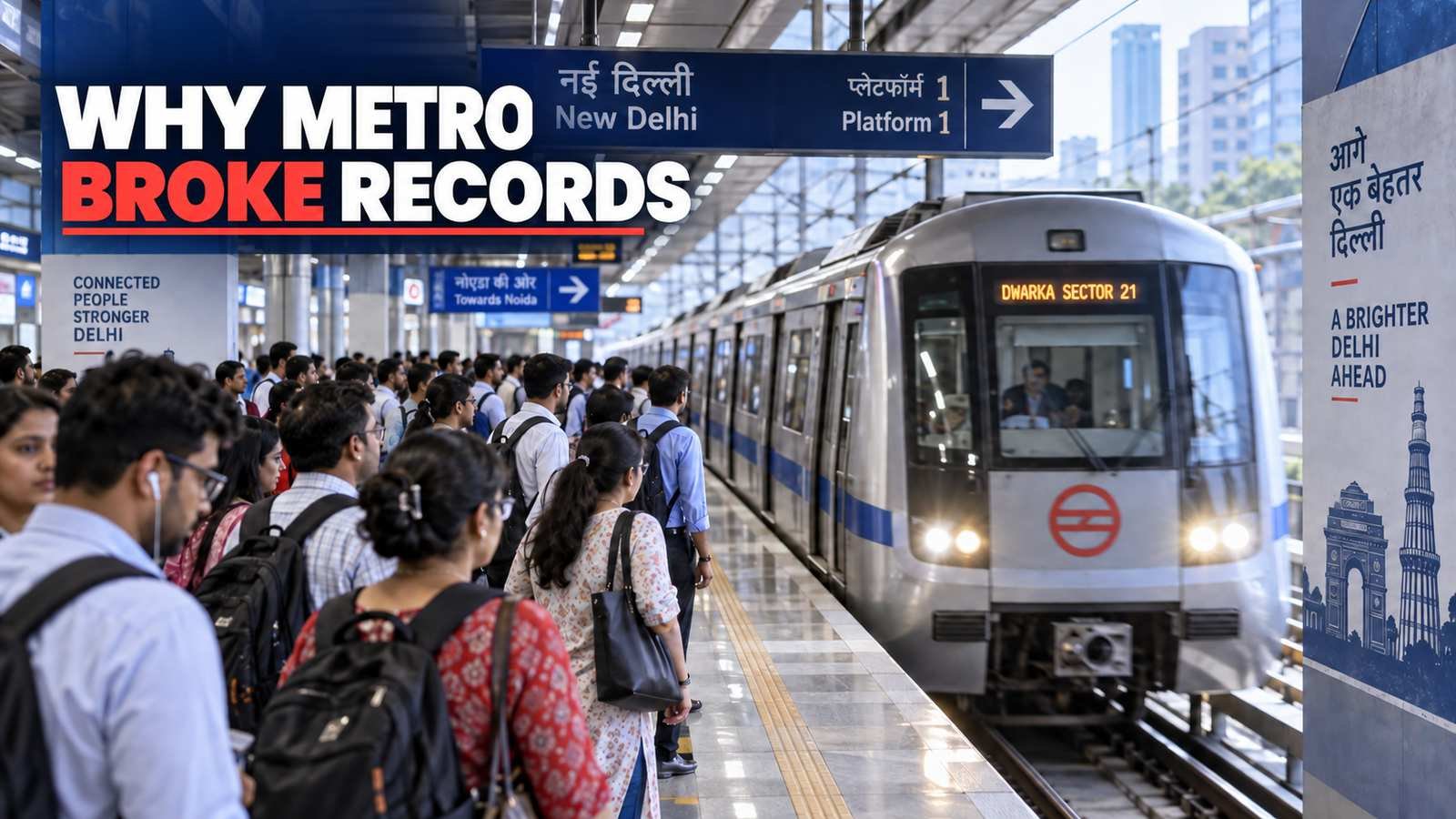
Delhi Metro Carried a Record 82.45 Lakh Riders in One Day — A Bus Strike Revealed Its Spare Capacity
A sudden DTC bus disruption pushed Delhi Metro to a new daily record, testing whether the network can absorb shocks without letting reliability deteriorate.

India Gave Compressed Biogas an Assured Buyer — Price Support Could Finally Turn Waste Into Bankable Fuel
New GOBARdhan rules address the two questions that have stalled many waste-to-gas projects: who will buy the output and how predictable will the price be.

India's New ESG Assurance Standard Starts in April 2027 — Two Big Carve-Outs Will Shape What Investors Can Trust
SSA 5000 broadens assurance across climate, labour and biodiversity disclosures, but excludes joint audits and forward-looking statements from the international framework.

Tessolve Wants $500 Million of Revenue in Four Years — Two Acquisitions Could Decide the Semiconductor Services Race
The Hero Electronix-owned chip engineering specialist is evaluating two purchases as it tries to scale from design and testing into a larger global semiconductor-services platform.