Bitcoin Is Back Above $70,000 — Strategy's $1.6 Billion Cash Pool Shows How the Buyer Base Is Changing
Bitcoin's latest rally is being reinforced by corporate treasury demand and falling bond yields, not just retail momentum.
What changed, why it matters, and what most people may be overlooking.
Bitcoin's latest rally is being reinforced by corporate treasury demand and falling bond yields, not just retail momentum.
CHEAP OIL IS DISAPPEARING
A trade that once depended on cheap sanctioned barrels is being repriced. The bigger signal is not just Iran’s lost exports — it is how quickly China’s independent refiners may have to rebuild their crude supply map.
AI UNDER PRESSURE
Nvidia’s earnings will test AI demand, but the more uncomfortable question is whether the economics of the AI buildout still look as attractive when long-term money costs much more.
A $1.8B BET
The stock move is easy to see. The more important signal is that U.S. energy and power infrastructure is creating multi-year demand for the pipes that sit behind LNG exports, pipelines and data-center expansion.
NO GUIDANCE
The market wants a clear rate path. The new Fed chair has been moving away from forward guidance, which means every inflation print could carry more weight.
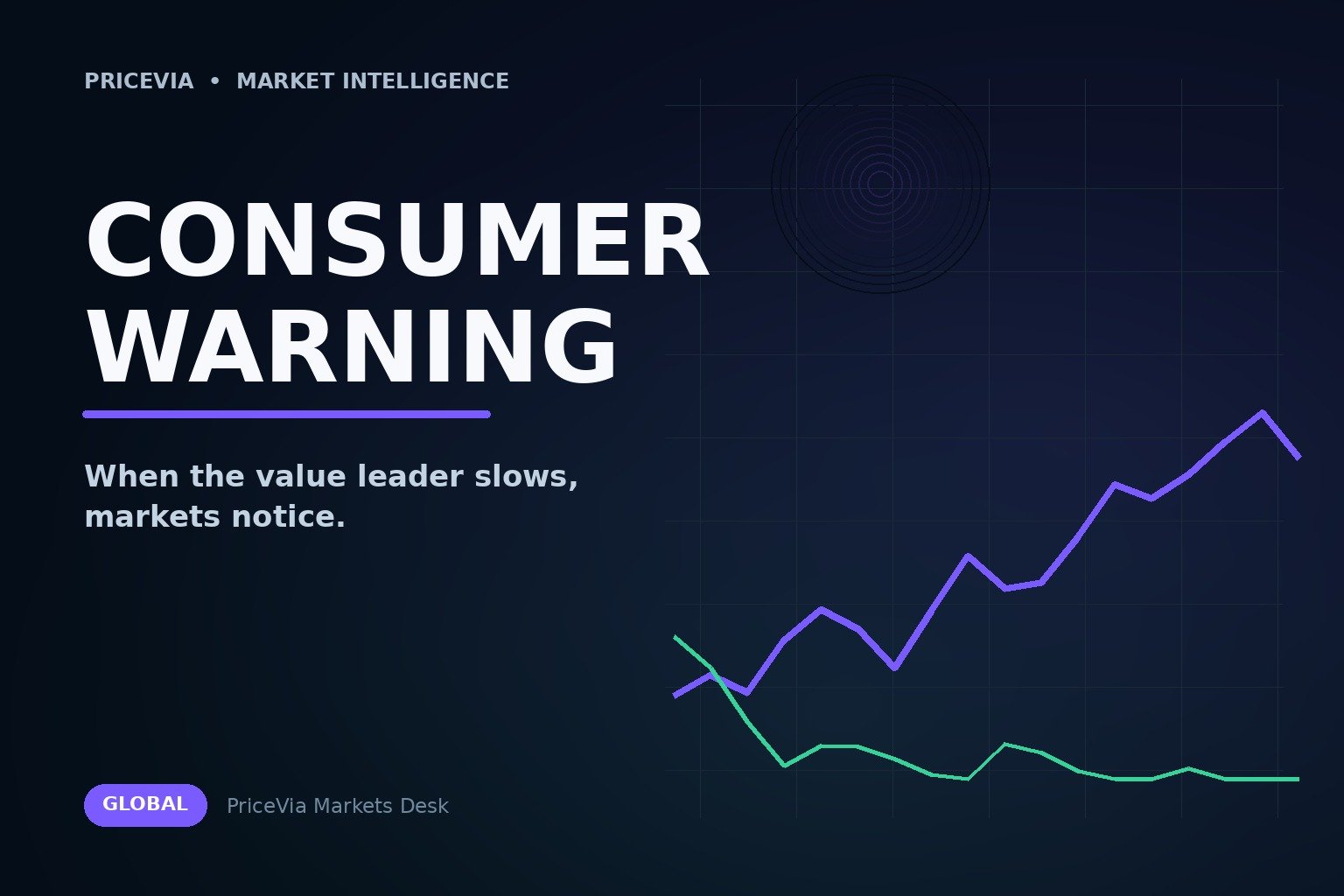
CONSUMER WARNING
Walmart usually benefits when households trade down. A rare sales miss therefore raises a more uncomfortable question: what if even the value leader is seeing pressure?
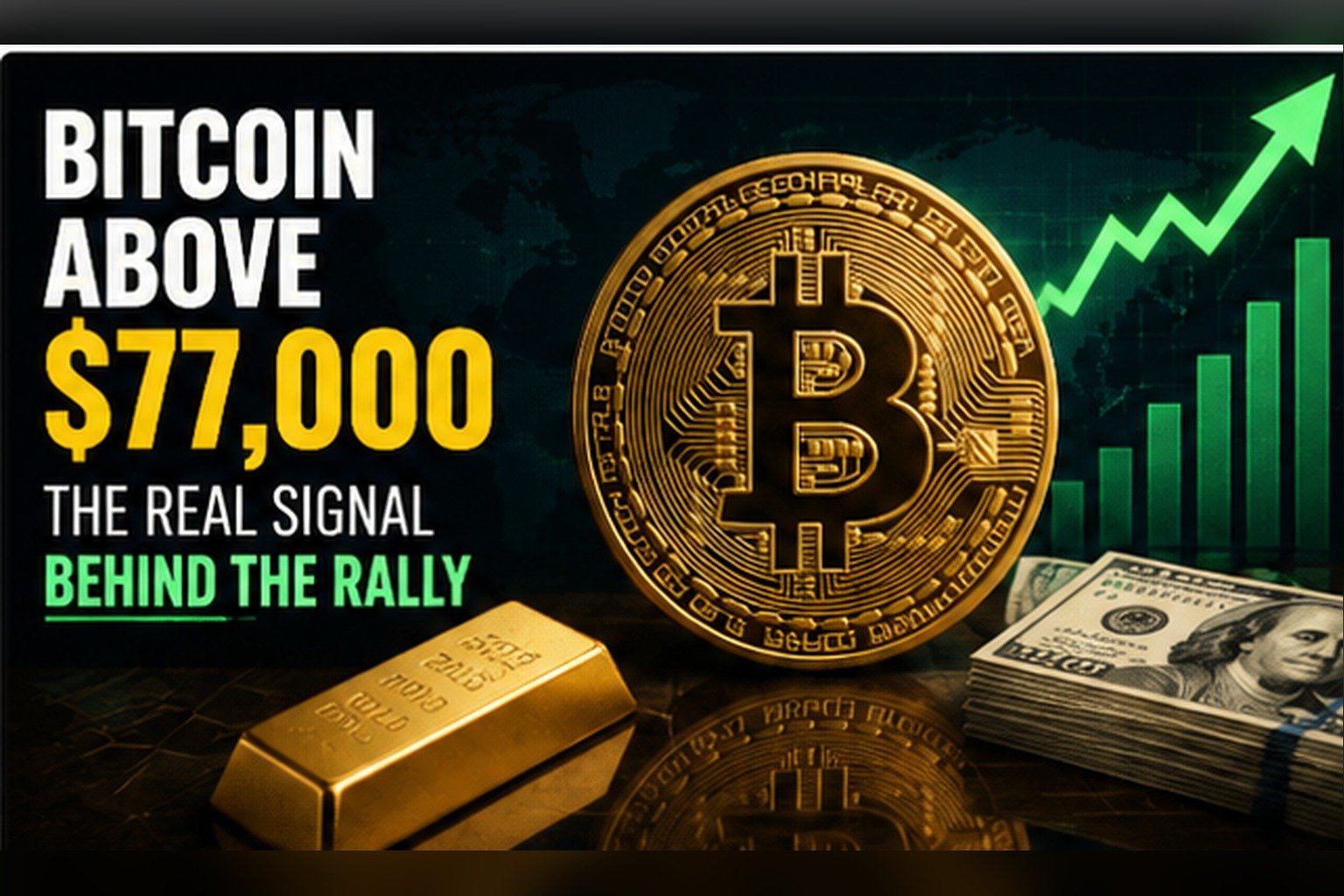
THE REAL SIGNAL
Bitcoin is getting the attention, but the more important story may be the unusual alignment between crypto demand, Treasury-market stress, a softer dollar and gold.
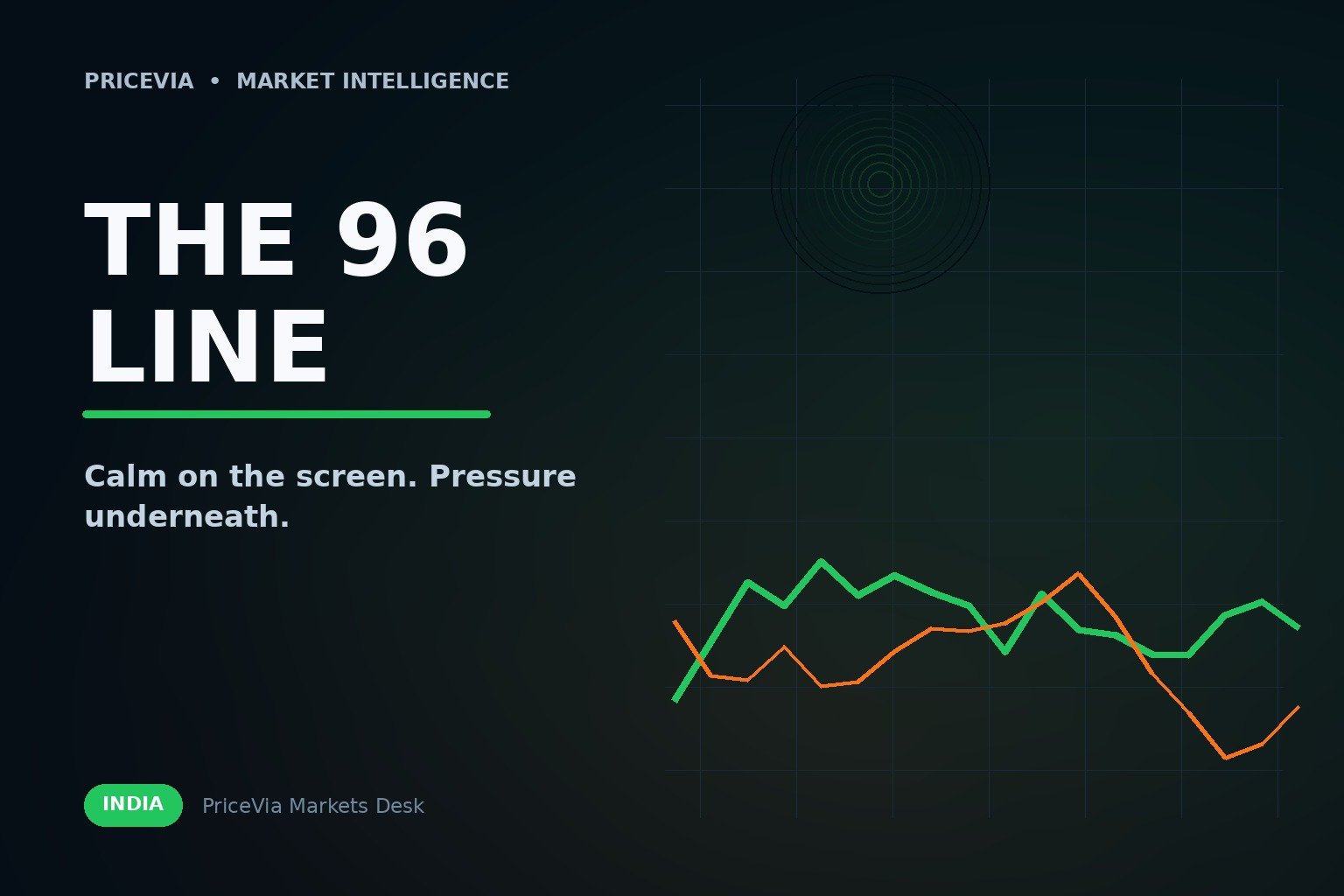
THE 96 LINE
The rupee looks unusually stable despite high oil prices and global stress. That stability may say more about the RBI’s firepower than about the absence of pressure.
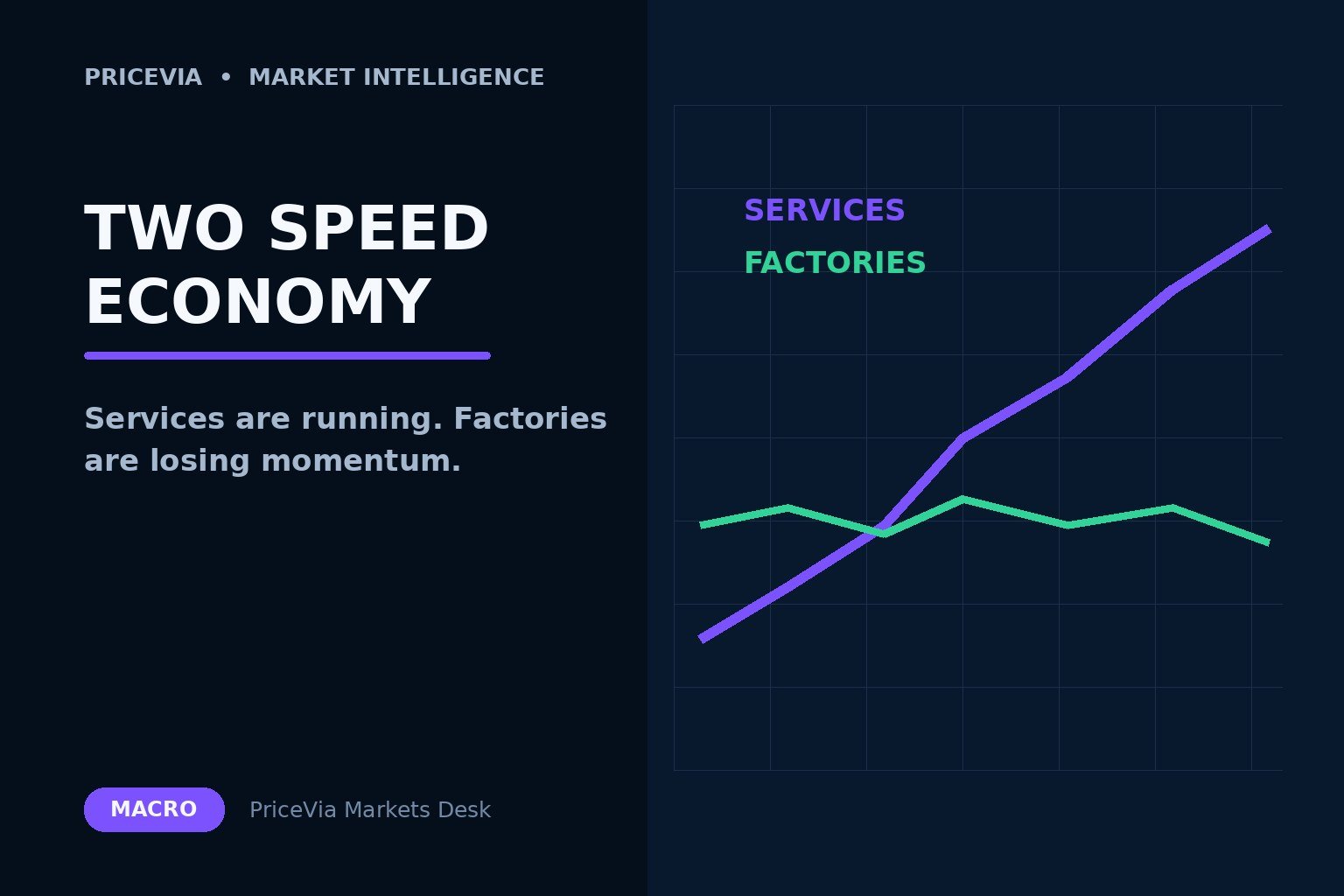
TWO SPEED ECONOMY
The economy is not simply speeding up or slowing down. Services are carrying growth while factories lose momentum — a split that can keep inflation and interest-rate expectations uncomfortable.
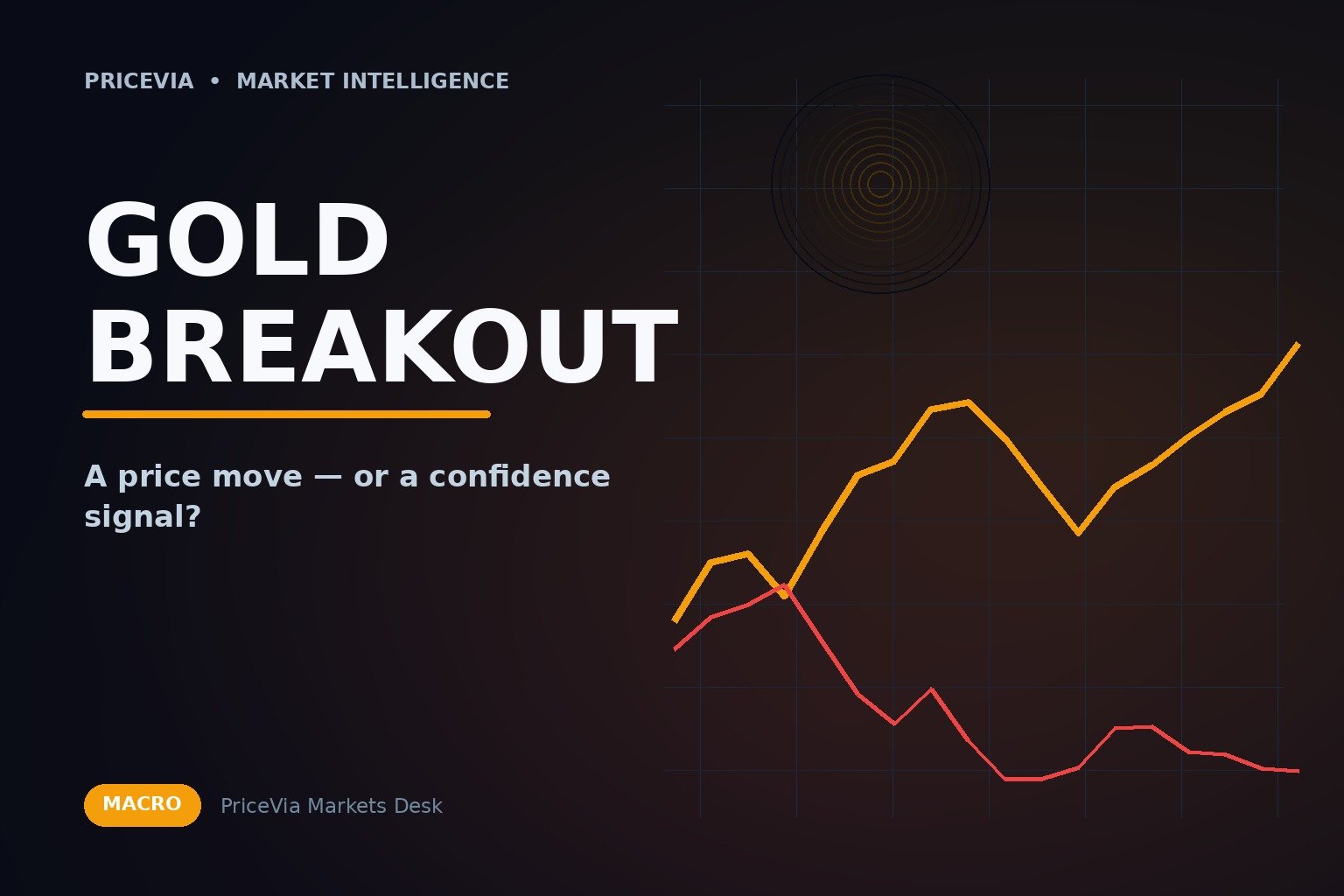
GOLD BREAKOUT
Gold’s breakout is getting attention, but the combination of a softer dollar, bond-market stress and heavy hedging demand may be more important than the price level itself.
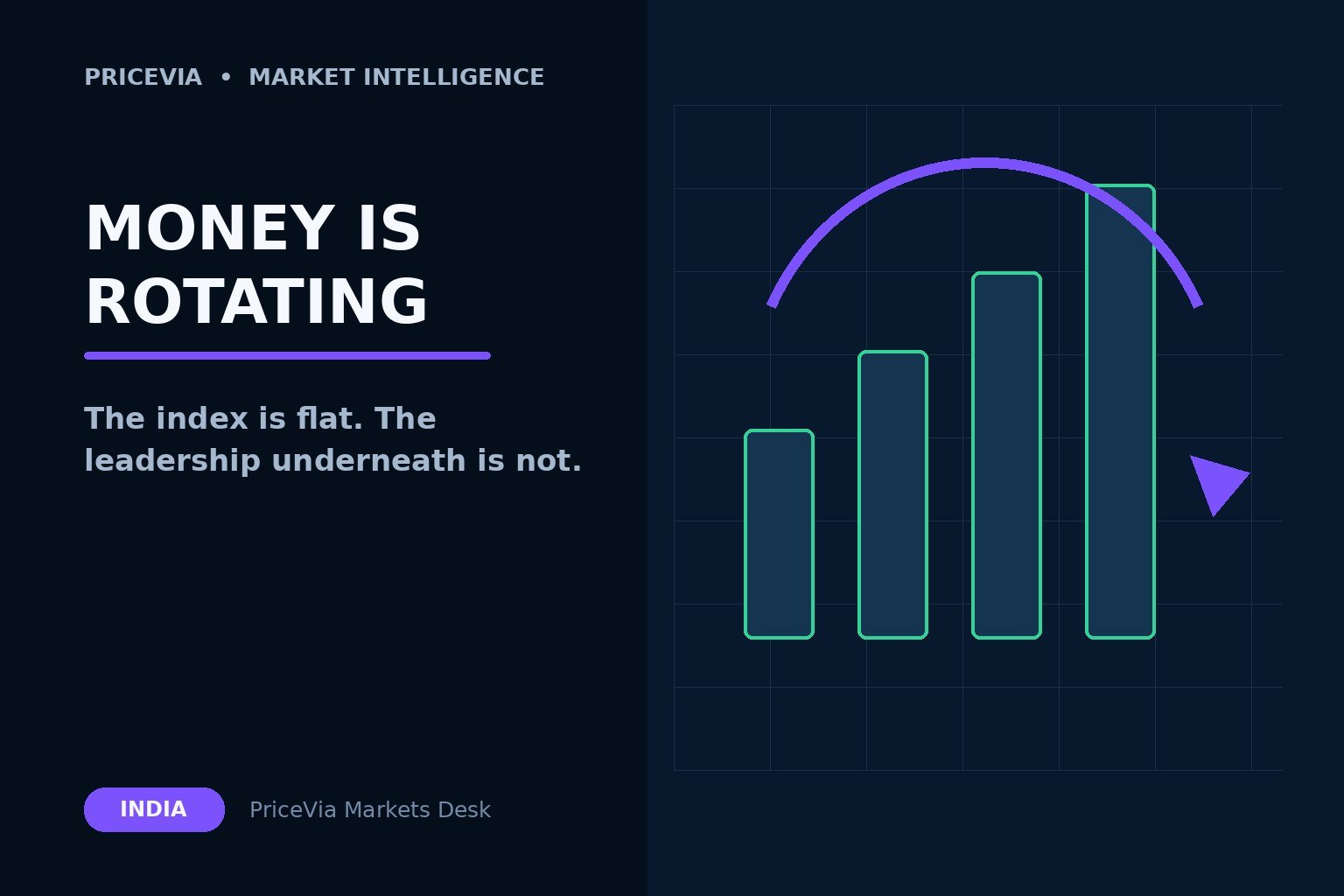
MONEY IS ROTATING
The headline index is barely moving, but the market underneath it is not calm. Money is rotating toward private banks while technology and other rate-sensitive pockets absorb the pressure.
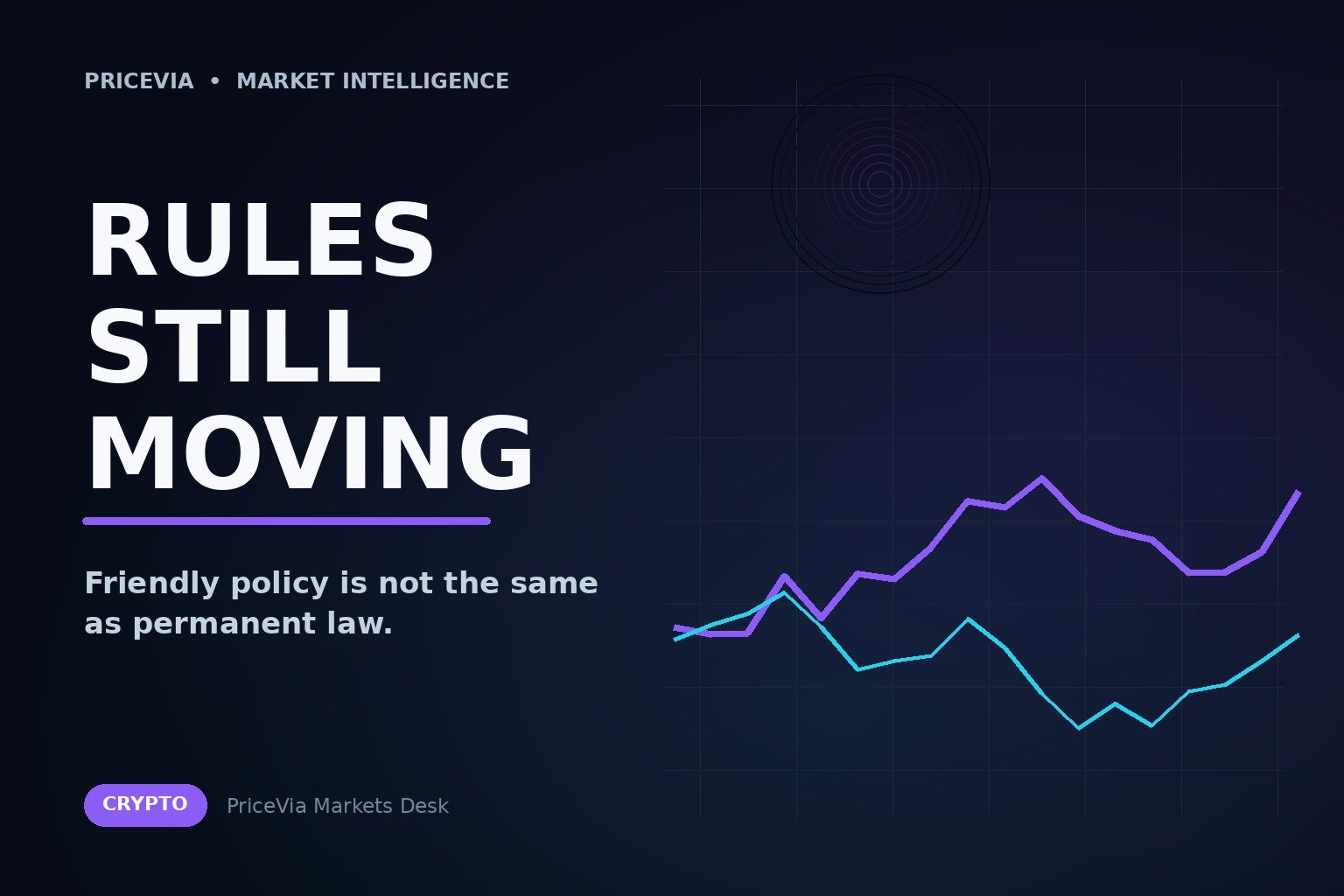
RULES STILL MOVING
Regulators are giving crypto more room to operate, but without durable legislation, part of the industry’s new certainty could still be reversed later.
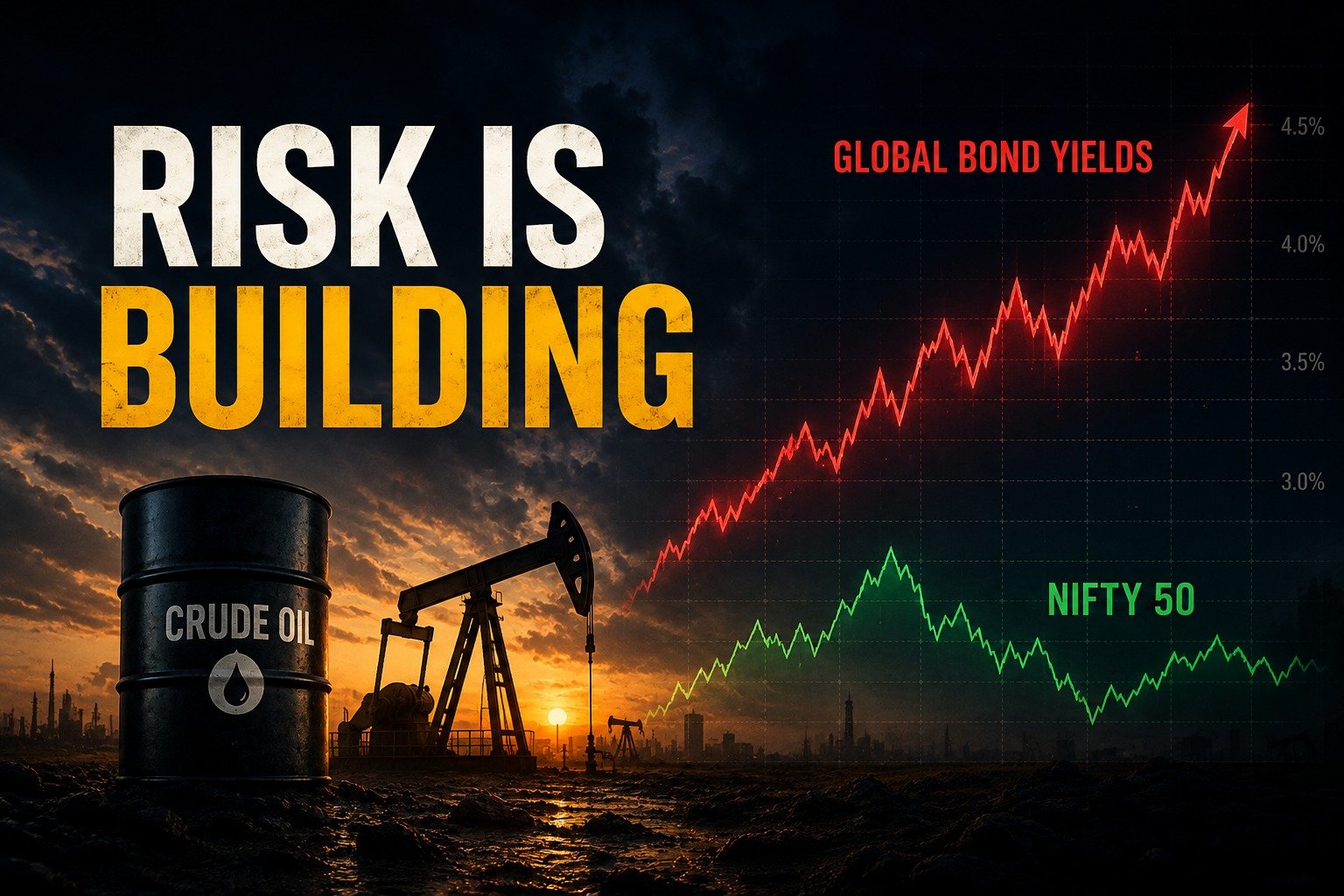
RISK IS BUILDING
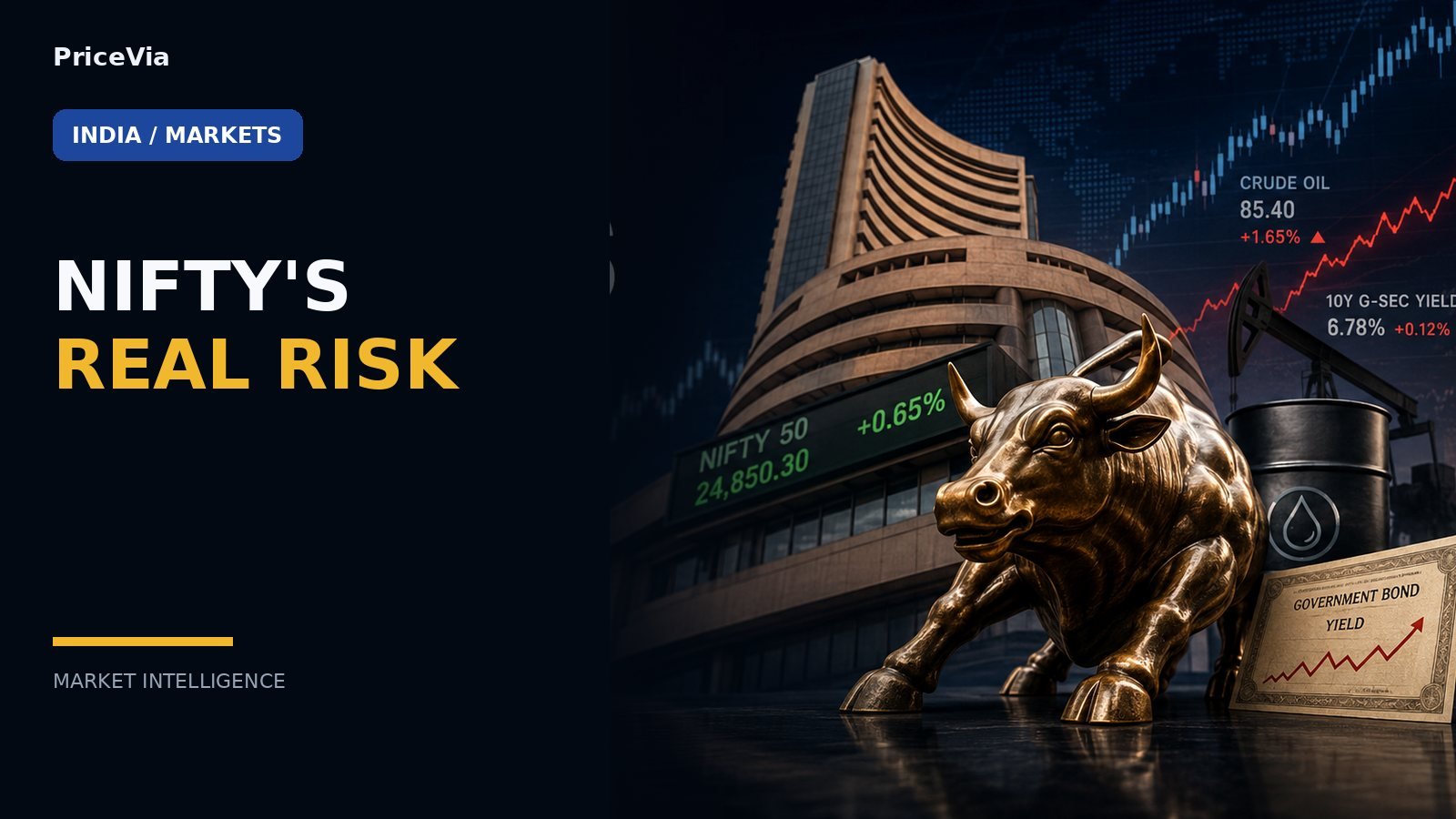
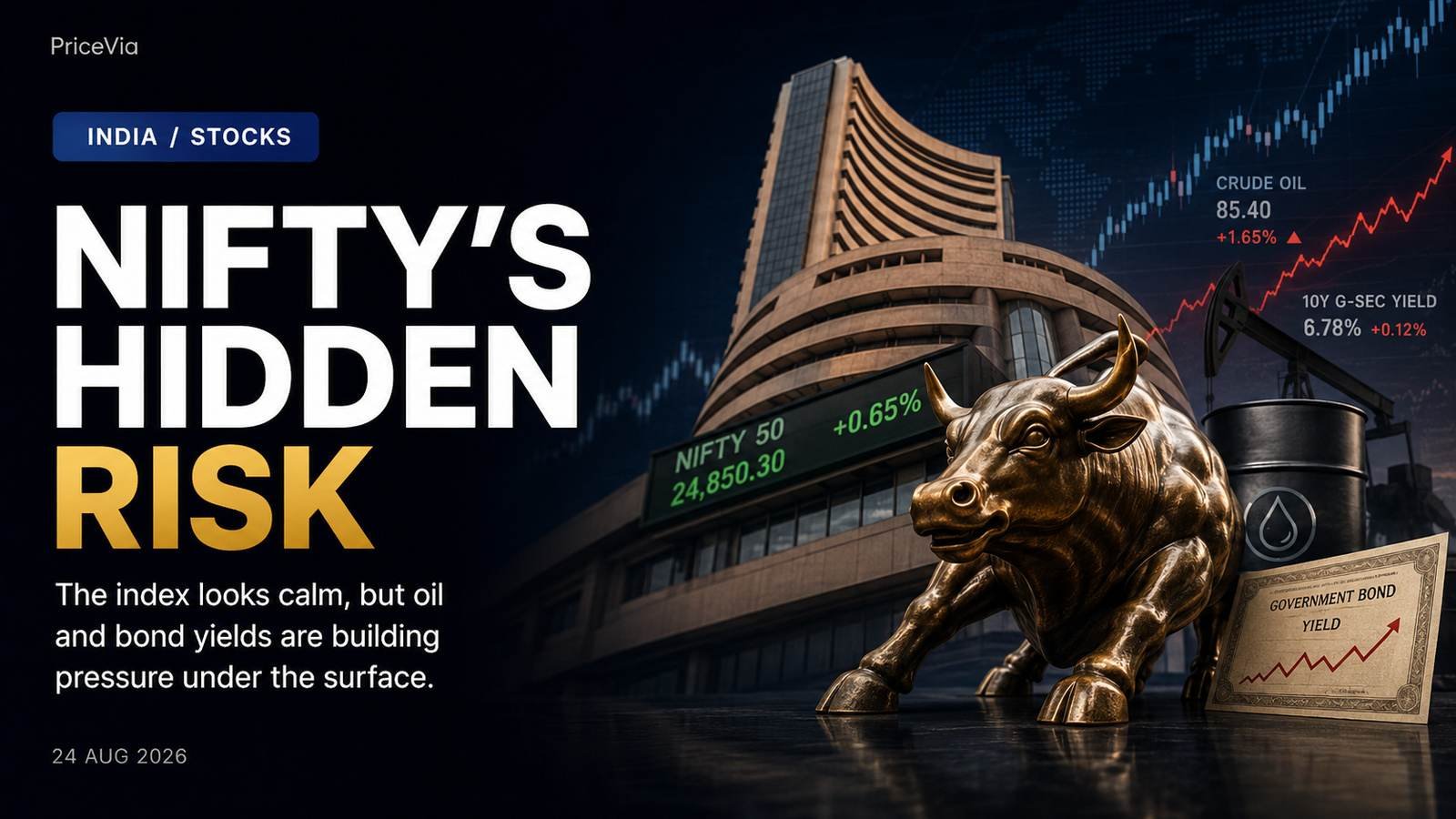
The index barely moved on Friday. That calm surface may be hiding a more important combination: expensive oil, volatile global yields and pressure on India’s currency and foreign flows.
CURRENCY DEFENSE
Currency intervention is usually treated as a short-lived market event. The more important development is that Asian finance ministries are signaling they may coordinate when volatility becomes politically or economically costly.
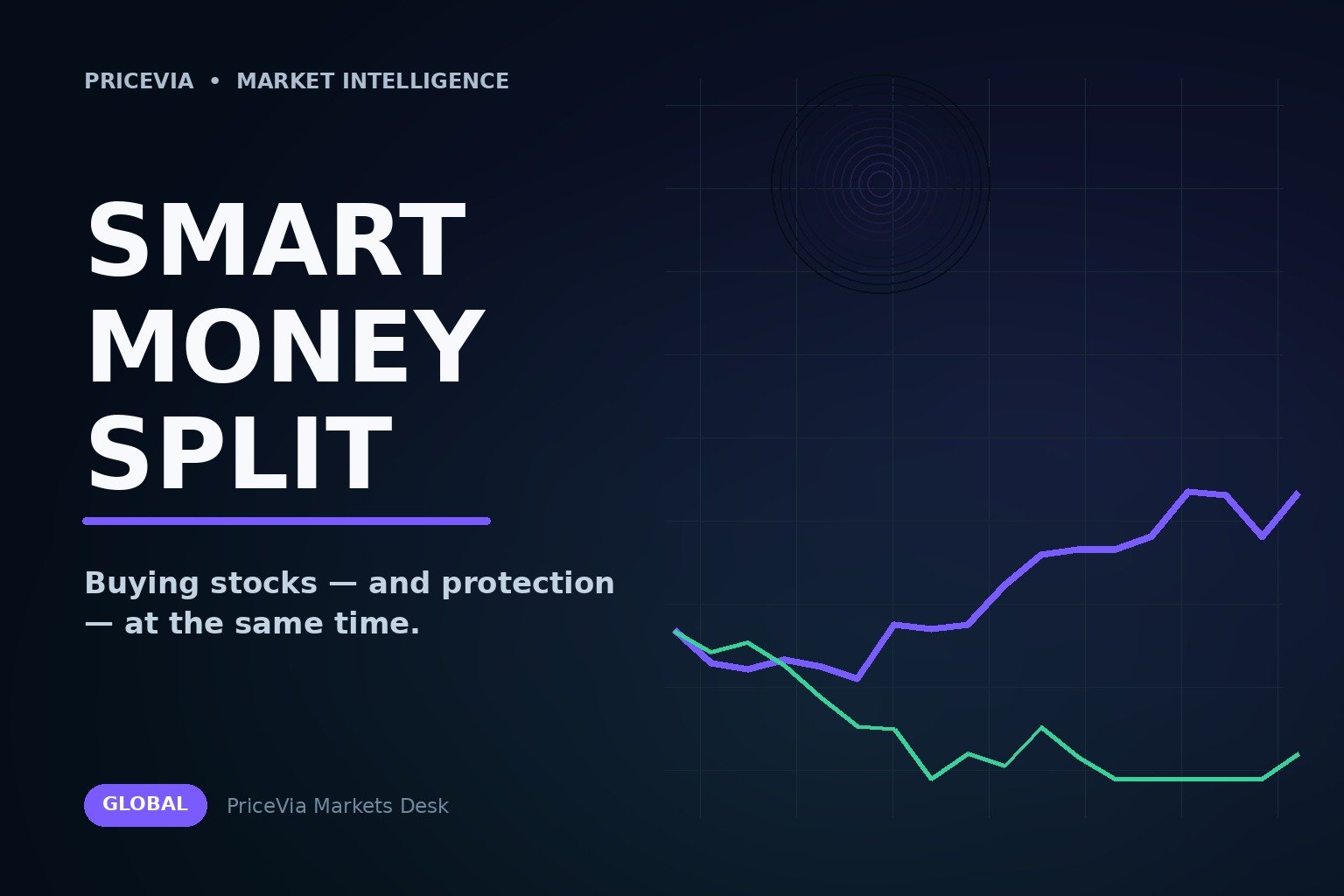
SMART MONEY SPLIT
The most revealing part of global fund flows is not that investors bought stocks. It is that they were buying risk assets and protection at the same time.
COSTS HIT THE CUSTOMER
The increase is modest relative to the price of a car, but the message is larger: manufacturers are reaching the point where more of the inflation they absorbed internally is being passed to customers.
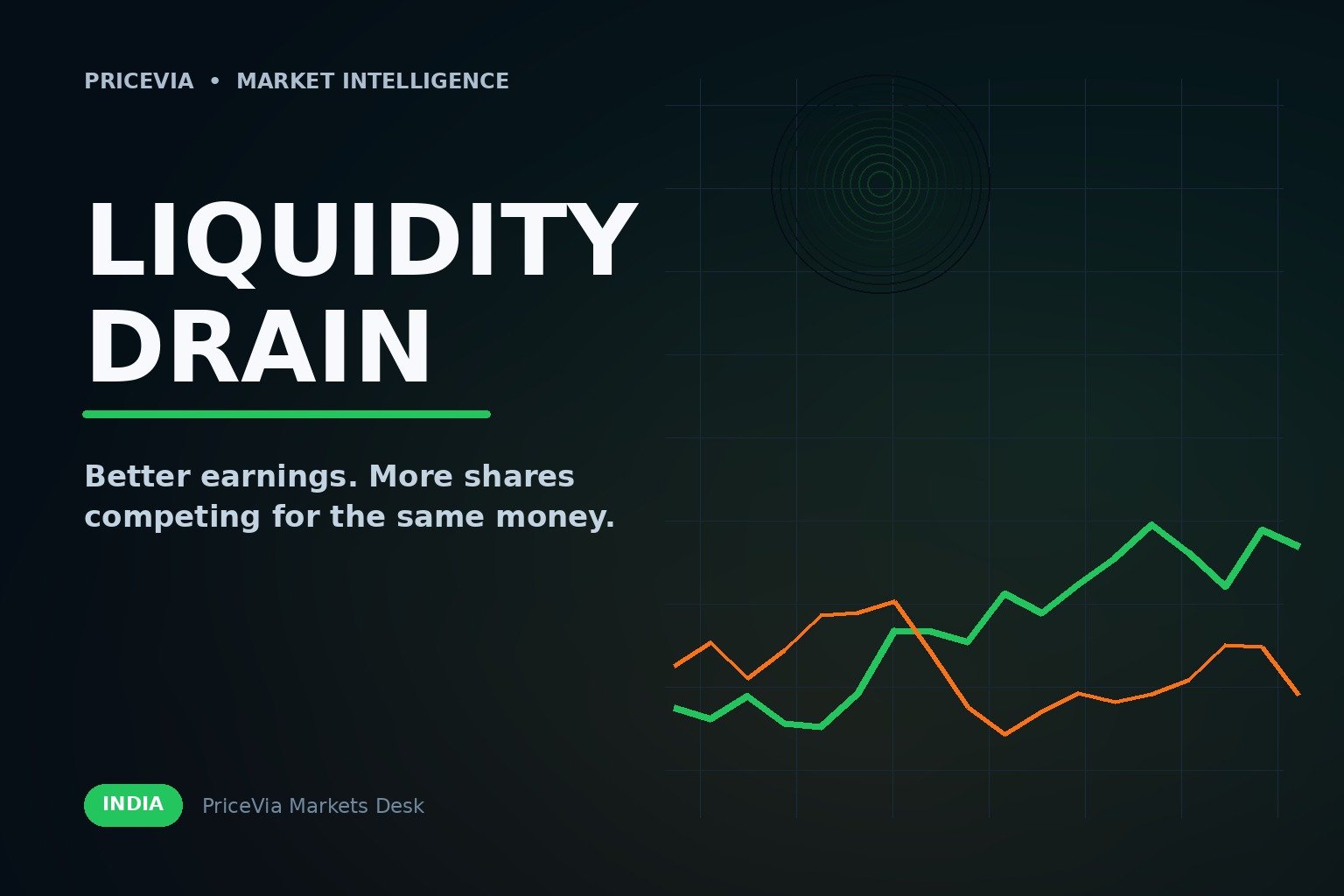
LIQUIDITY DRAIN
Better earnings should help Indian equities. The problem is that the primary market may be competing for the same capital just as foreign investors remain cautious.
Gold has reached its highest level in more than three months as lower yields, a softer dollar and geopolitical risk reinforce one another.
The dollar is failing to gain sustained traction from geopolitical stress because the bond market is increasingly driving the currency story.
Oil fell more than 2% after new sanctions looked less disruptive than feared, but depleted buffers and Hormuz risk keep the downside unusually fragile.
Technology shares are already weakening ahead of Nvidia's report, showing how much of the market's AI confidence now depends on one earnings event.
TCS is paying €320 million for Porsche's MHP consulting unit, but the strategic value sits inside a much larger five-year AI and mobility partnership.
India is still expected to be the fastest-growing major economy, but the composition of growth matters more than the headline number.
Indian equities enter monthly expiry with Brent near $92 and geopolitical risk elevated, but a weak monsoon could become the more persistent domestic problem.
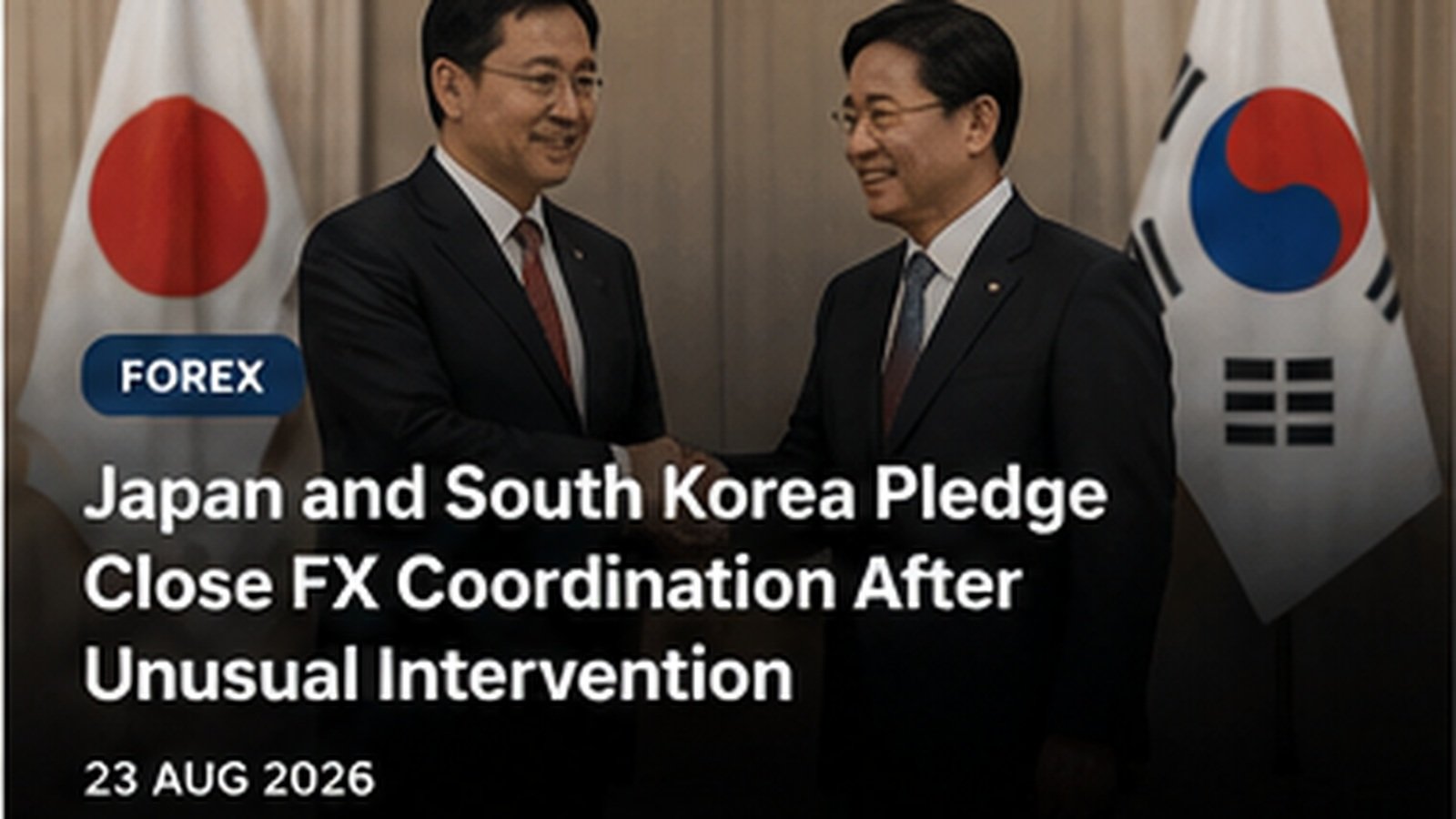
Japan and South Korea have reaffirmed close coordination on foreign-exchange policy after a rare episode of simultaneous intervention highlighted growing concern about currency volatility in Asia.
Indian equities are trying to start the week on a better footing, but the market’s most important number may still be sitting outside the stock screen: Brent crude near $93 a barrel.
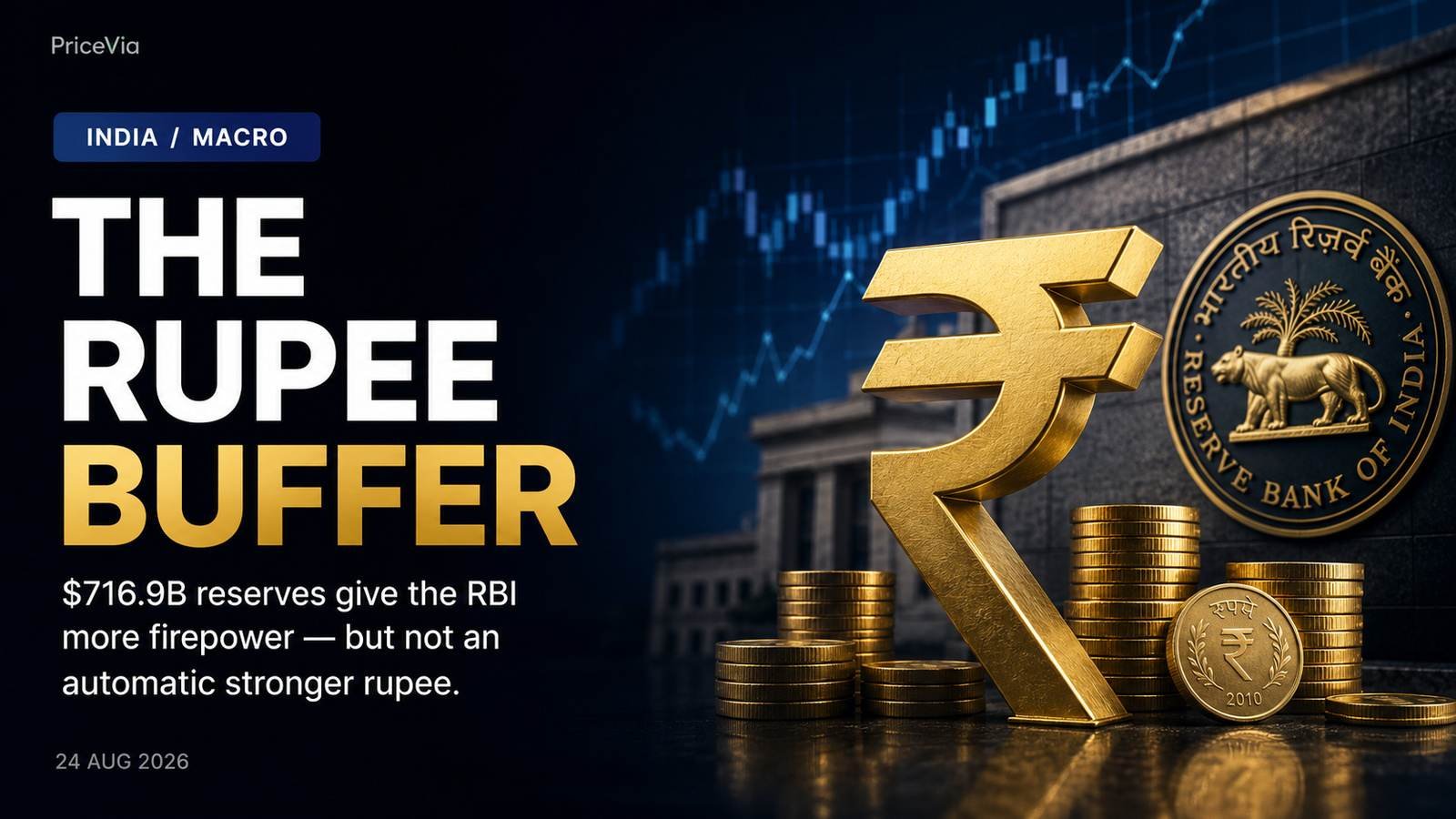
India's reserve cushion is nearing its record high, but the RBI may prefer to turn new dollar inflows into stability rather than a much stronger rupee.
Iran has granted special permission for a number of Iraqi oil tankers to pass through the Strait of Hormuz, offering Baghdad limited relief from one of the most serious energy-shipping disruptions in years. The development is important, but it should not be confused with a full reopening of the waterway.
Corporate India's June-quarter earnings season has delivered a significant positive surprise. Nifty 50 companies posted average profit growth of 18%, the strongest pace in 10 quarters, according to Reuters' review of brokerage estimates.
The Indian rupee ended the week near 95.69 per U.S. dollar, with repeated Reserve Bank of India intervention helping prevent a break beyond the psychologically important 96 level. The currency still lost about 0.3% over the week as higher oil prices and importer hedging kept demand for dollars elevated.
The U.S. Treasury has moved to increase buybacks of long-dated government bonds after a sharp rise in yields unsettled one of the world's most important financial markets. The change doubles the size of certain repurchase operations from $2 billion to at least $4 billion per transaction for selected maturities between 10 and 30 years.