Oil Is Holding Near $92 After Iran Sanctions — Why the Market Still Can't Remove the Risk Premium
Oil fell more than 2% after new sanctions looked less disruptive than feared, but depleted buffers and Hormuz risk keep the downside unusually fragile.
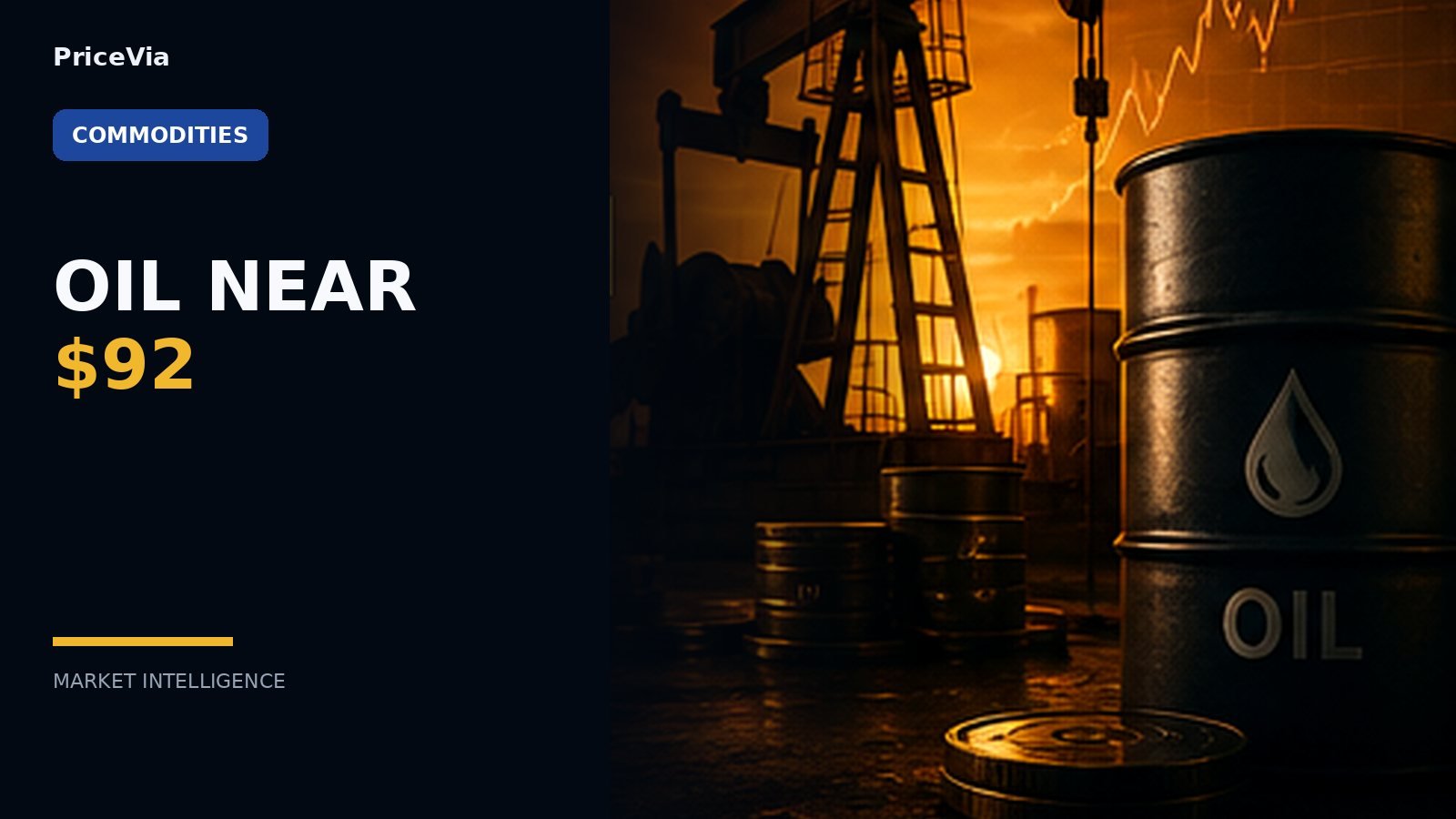
Oil prices stabilised on Tuesday after falling more than 2% in the previous session, as traders concluded that the latest U.S. sanctions on Iran did not immediately threaten physical supply. Brent was near $92.16 a barrel and WTI around $85.02.
The initial relief makes sense. Washington's latest approach emphasises secondary economic sanctions rather than an immediate military escalation.
But the market is not back to normal. Iran continues to assert control over the Strait of Hormuz, a route that normally handles roughly 20% of global oil shipments.
Supply buffers are another concern. With emergency stocks already drawn down, policymakers have less room to offset a fresh disruption than they did earlier in the crisis.
Positive case: sanctions remain primarily financial, physical exports continue and demand softness caps prices.
Downside case: a shipping disruption, retaliatory action or tighter enforcement turns today's $92 level from resistance into a floor.
What would change the story: a durable diplomatic de-escalation combined with improving inventories.
PriceVia View: headlines will focus on sanctions and diplomacy, but inventories determine how much shock the system can absorb before price has to do the rationing.
Market-risk disclaimer: This article is for informational and educational purposes only and does not constitute investment advice.
Risk context: Prepared as an original PriceVia analysis using the linked credible sources. Market levels are timestamp-sensitive and should be rechecked before later republication.
Related PriceVia analysis
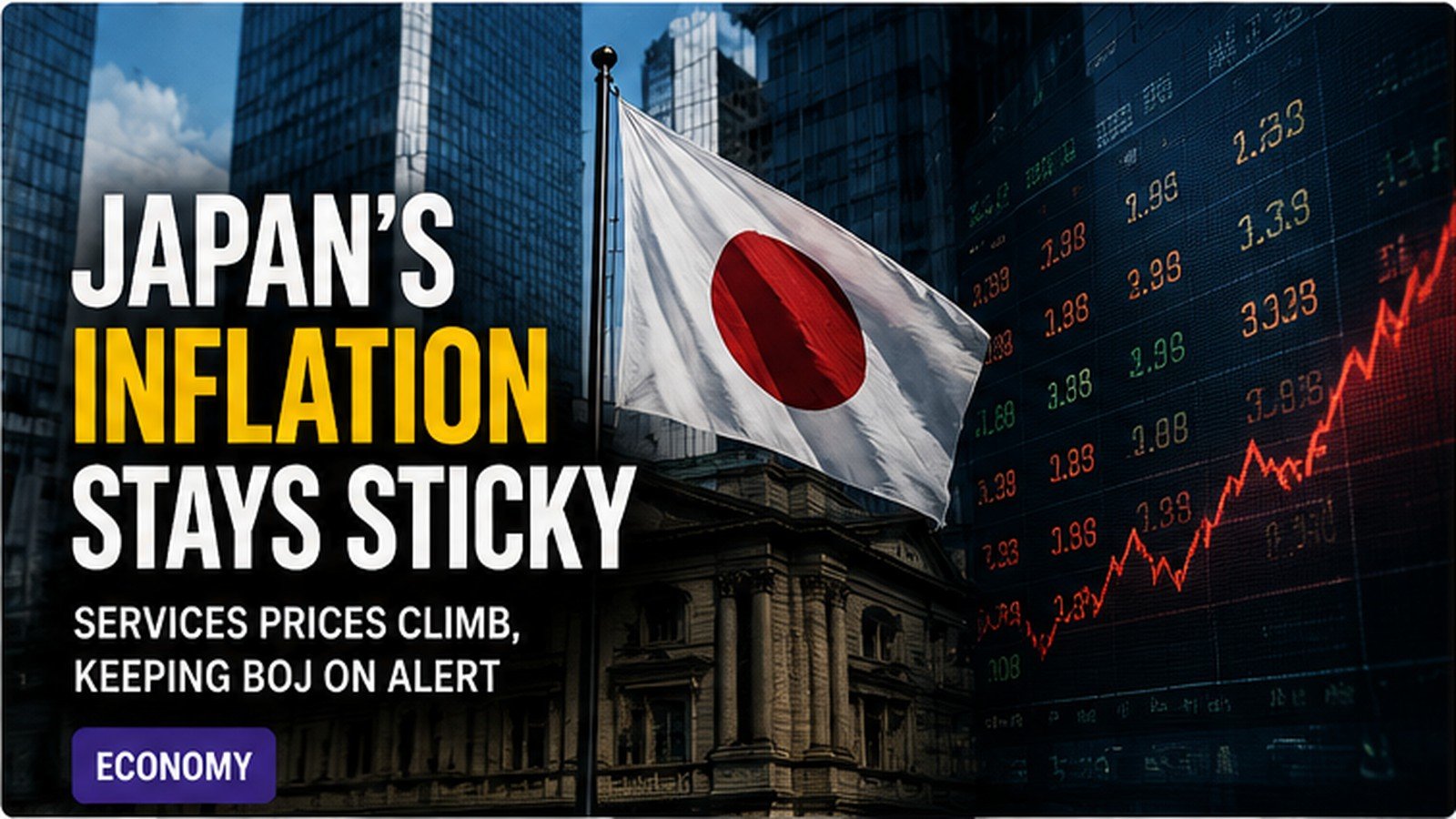
Japan’s Service Inflation Re-Accelerated to 3.6% — The BOJ Hike Case Is Getting Harder to Ignore
Japan’s business-service prices accelerated again in July, with transport and labour-heavy services showing pressure that looks broader than imported energy inflation.

Gold's Break Above $4,600 Is More Than a Safe-Haven Move — Bond Liquidity Is Driving the Rally
Gold has reached its highest level in more than three months as lower yields, a softer dollar and geopolitical risk reinforce one another.

The Dollar Is Struggling Even With Geopolitical Risk — Treasury Buybacks Changed the Trade
The dollar is failing to gain sustained traction from geopolitical stress because the bond market is increasingly driving the currency story.
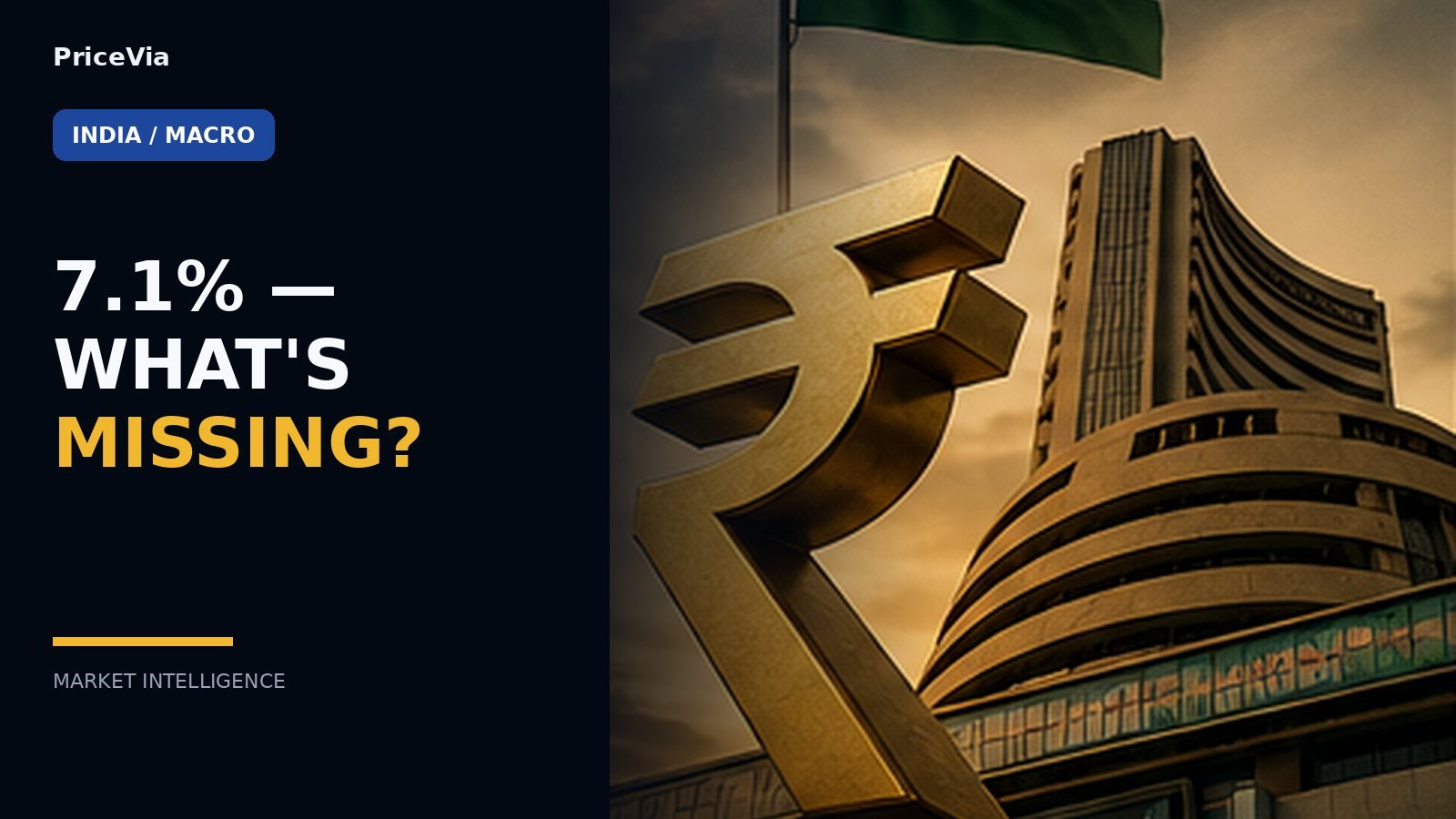
India's GDP May Slow to 7.1% — Strong Consumption Is Hiding a Private-Investment Problem
India is still expected to be the fastest-growing major economy, but the composition of growth matters more than the headline number.