Iran Grants Iraqi Tankers Special Hormuz Passage as Global Oil Risk Stays Elevated
Iran has granted special permission for a number of Iraqi oil tankers to pass through the Strait of Hormuz, offering Baghdad limited relief from one of the most serious energy-shipping disruptions in years. The development is important, but it should not be confused with a full reopening of the waterway.
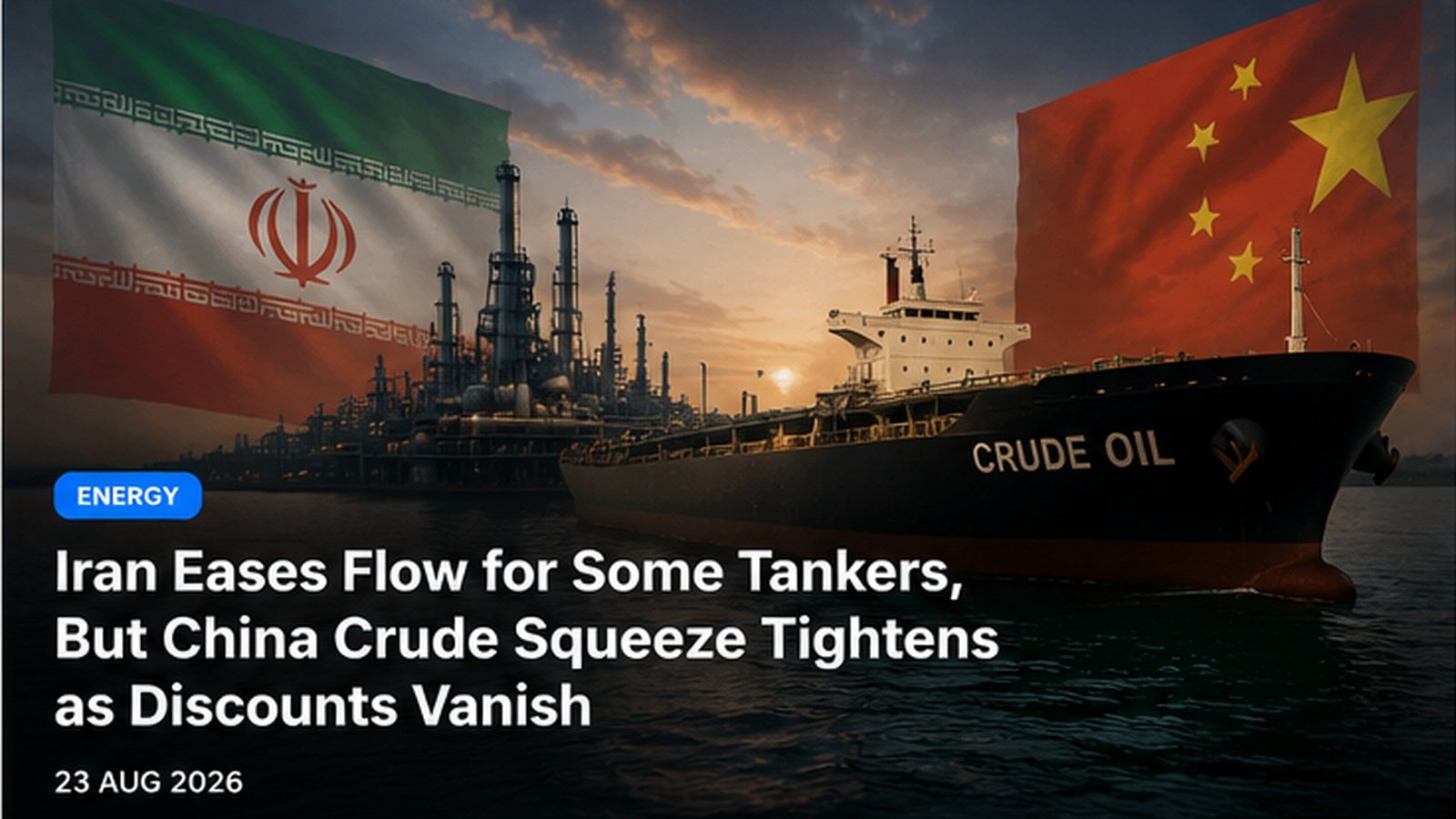
Iran has granted special permission for a number of Iraqi oil tankers to pass through the Strait of Hormuz, offering Baghdad limited relief from one of the most serious energy-shipping disruptions in years. The development is important, but it should not be confused with a full reopening of the waterway.
According to Reuters, the permission followed repeated Iraqi requests through diplomatic channels. Iraq has been among the countries most exposed to restrictions in the strait because a large share of its seaborne crude normally depends on Gulf export routes. Before the Iran war, Iraq produced roughly 4 million barrels of oil per day.
The market significance lies in the selective nature of the passage. Case-by-case approvals can improve near-term flows for particular cargoes without restoring the predictability that refiners, shipowners and insurers need. Energy markets price not only the amount of oil available but also the reliability of transportation. A route that technically allows some ships through can still carry a large risk premium if transit rules can change quickly.
That uncertainty has consequences across the supply chain. Tankers may demand higher freight rates, insurers can increase war-risk premiums and refiners may hold larger inventories as a buffer. All three raise the effective cost of energy even before the spot price of crude changes.
For Iraq, the disruption has increased the strategic importance of alternative export routes. Baghdad has been working to expand shipments through Turkey's Ceyhan port and exploring additional outlets through Syria and Jordan. Building meaningful alternative capacity takes time, but the incentive is now stronger because Hormuz risk has moved from a theoretical tail event to an operating constraint.
The wider geopolitical backdrop remains fragile. Reuters also reported that NATO members had discussed possible contributions to support freedom of navigation, while stressing that such activity would not constitute a NATO mission. That underscores the degree to which the shipping issue has become an international economic and security concern.
For India, the story matters directly. India is one of the world's largest crude importers, and prolonged disruption in Gulf shipping can affect the rupee, inflation, fuel costs, refining margins and the current account. Higher crude prices also increase dollar demand from importers, adding pressure to the foreign-exchange market.
Investors should therefore resist binary headlines such as “Hormuz reopened” or “Hormuz closed.” The more accurate framework is to monitor the percentage of normal traffic restored, the types of vessels receiving permission, insurance costs, freight rates and the stability of the rules governing passage.
The latest Iraqi tanker approvals are a modest positive for physical supply, but they do not eliminate the geopolitical premium. Until commercial shipping can move at something close to normal scale with predictable rules, Hormuz will remain one of the most important risk variables for oil, inflation and global markets.
Risk context: Prepared as an original PriceVia explainer using the linked source reporting. Market levels and event details are timestamp-sensitive and should be rechecked before later republication.
Related PriceVia analysis
Japan’s Service Inflation Re-Accelerated to 3.6% — The BOJ Hike Case Is Getting Harder to Ignore
Japan’s business-service prices accelerated again in July, with transport and labour-heavy services showing pressure that looks broader than imported energy inflation.

Gold's Break Above $4,600 Is More Than a Safe-Haven Move — Bond Liquidity Is Driving the Rally
Gold has reached its highest level in more than three months as lower yields, a softer dollar and geopolitical risk reinforce one another.

The Dollar Is Struggling Even With Geopolitical Risk — Treasury Buybacks Changed the Trade
The dollar is failing to gain sustained traction from geopolitical stress because the bond market is increasingly driving the currency story.
Oil Is Holding Near $92 After Iran Sanctions — Why the Market Still Can't Remove the Risk Premium
Oil fell more than 2% after new sanctions looked less disruptive than feared, but depleted buffers and Hormuz risk keep the downside unusually fragile.