Markets Want a Fed Signal. Kevin Warsh May Refuse to Give Them One.
The market wants a clear rate path. The new Fed chair has been moving away from forward guidance, which means every inflation print could carry more weight.
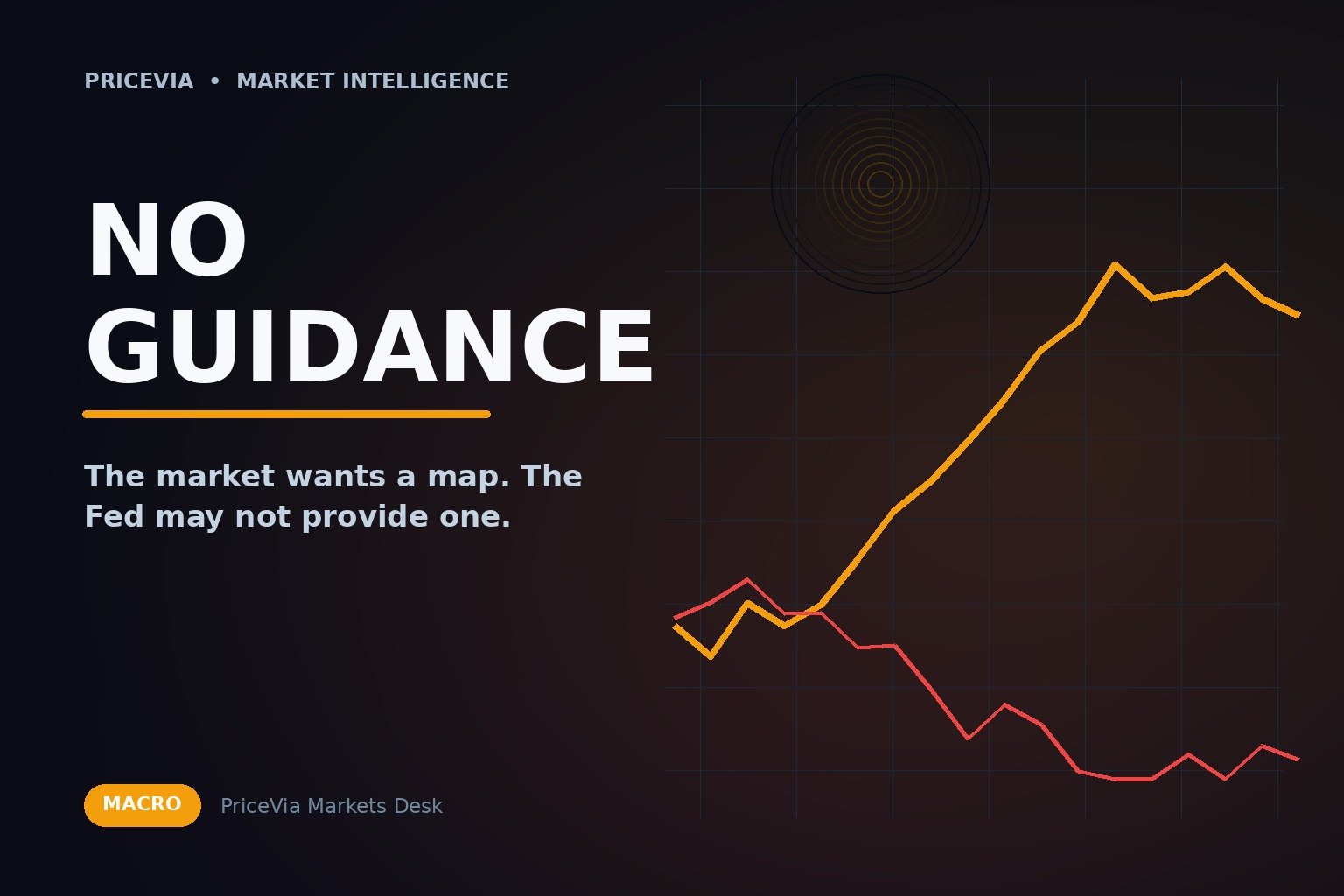
The Fed’s silence is becoming a market variable
Investors head into Jackson Hole wanting one thing: a clearer sense of where interest rates are going. The problem is that Fed Chair Kevin Warsh has signaled less interest in giving markets the kind of forward guidance they became used to in earlier years.
That changes how risk is priced. When the central bank refuses to pre-commit, every inflation report, jobs number and growth surprise becomes more important because markets have fewer verbal anchors.
The bond market is already impatient
Long-term Treasury yields have surged, and the Treasury Department has intervened with larger buybacks to improve liquidity. Reuters reported that investors are looking to Jackson Hole partly because the recent bond selloff exposed uncertainty about how the new Fed chair thinks about inflation and the long end of the curve.
A central bank does not control long-term yields directly, but its credibility and reaction function shape how investors price future inflation and policy.
What most people may be missing
A speech that says very little could still move markets a lot. If Warsh sticks to a data-dependent, no-guidance approach, traders may have to keep repricing the rate path after every major release.
That can increase volatility even if the Fed’s actual policy changes slowly. The absence of guidance transfers more of the forecasting burden from the central bank to the market.
The timing is unusually sensitive
U.S. inflation and growth data arrive before the symposium. Reuters reported markets pricing only a minority chance of a September hike, with higher odds later in the year. A hot inflation print could therefore force investors to rethink both the near-term rate path and what Warsh might say.
Because long-term yields are already elevated, even a small shift in inflation expectations can have an outsized effect on growth stocks, housing and credit.
The bullish case for less guidance
There is a constructive interpretation. Less forward guidance can prevent investors from treating Fed language as a promise and may reduce the risk of markets building large positions around a policy path that later changes.
Over time, that could make markets more disciplined. In the transition, however, it may also make price action more violent because traders are still learning how to read the new regime.
What to watch in the speech
Listen for how Warsh describes inflation persistence, whether he comments on long-term yields and financial conditions, and how strongly he emphasizes data dependence. Also watch what he does not say.
If the market leaves Wyoming without a clearer reaction function, volatility may remain the price investors pay for a Fed that wants markets to do more of their own forecasting.
- July PCE inflation before Jackson Hole.
- Warsh’s language on inflation persistence.
- Any reference to long-term Treasury yields.
- Whether markets increase or reduce September hike pricing.
Risk context: Policy expectations can change rapidly with new data. This article does not predict a specific Fed decision.
Related PriceVia analysis
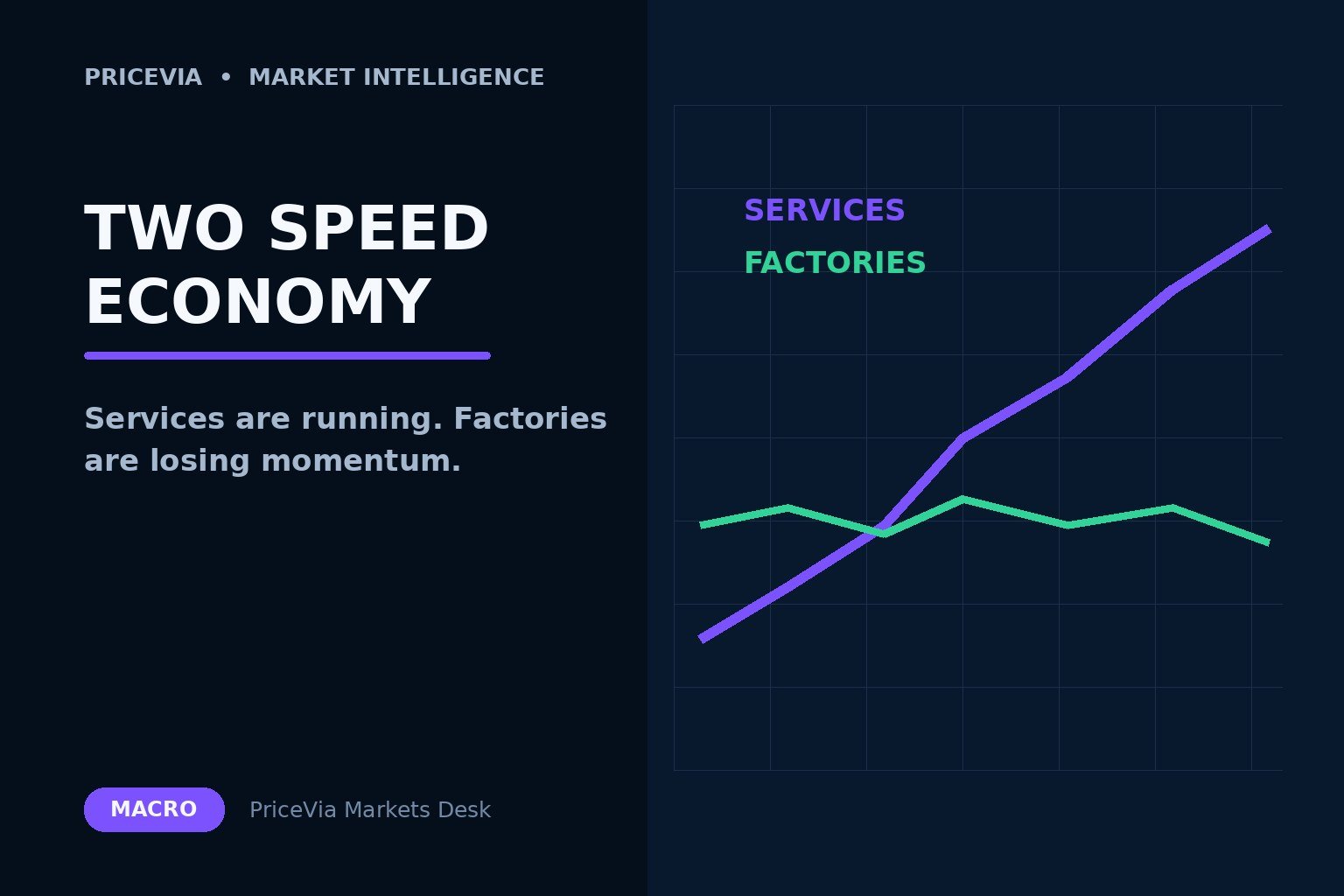 TWO SPEED ECONOMY
U.S. Services Are Accelerating While Factories Slow — That’s an Awkward Inflation Mix
The economy is not simply speeding up or slowing down. Services are carrying growth while factories lose momentum — a split that can keep inflation and interest-rate expectations uncomfortable.
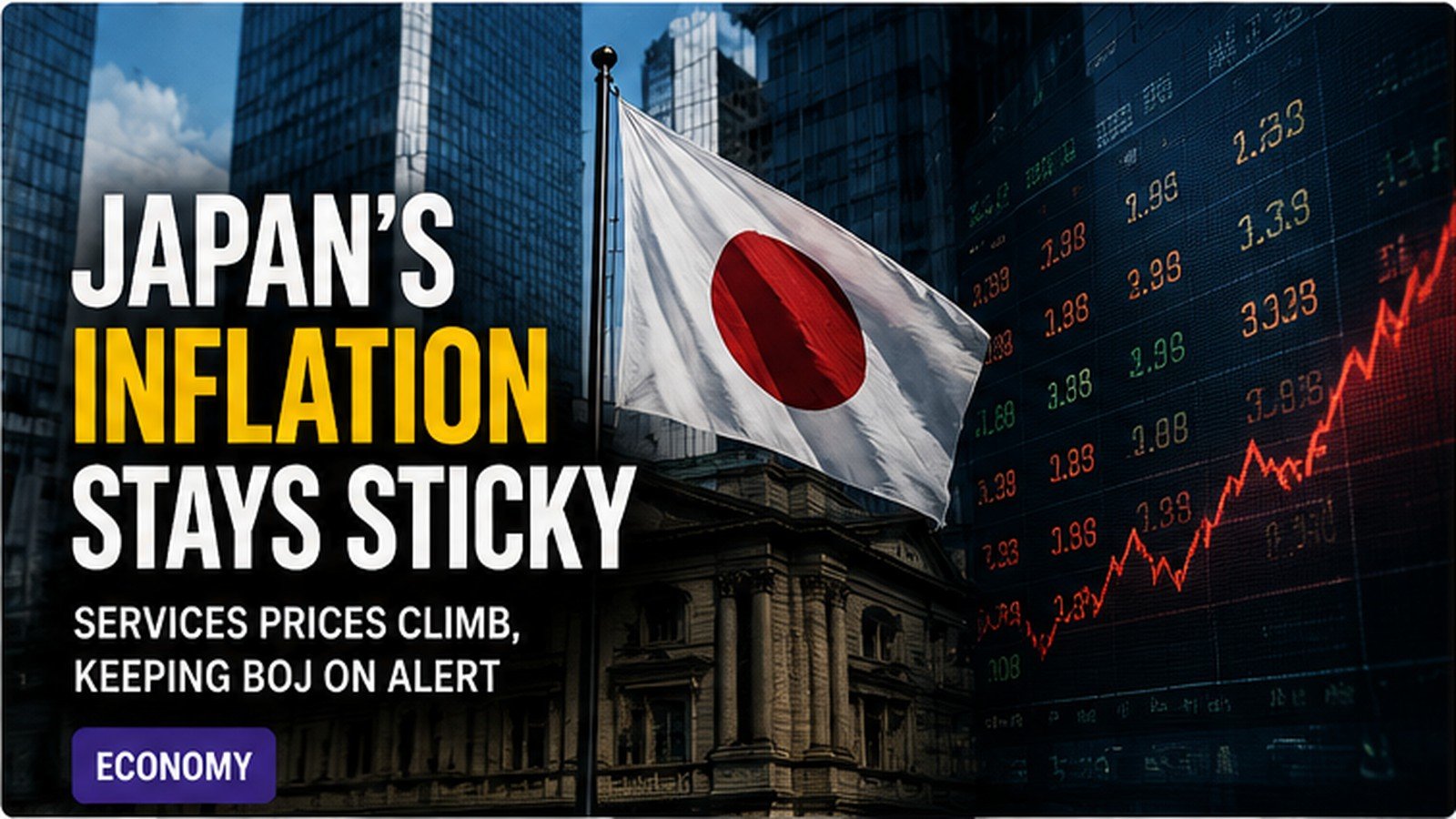
Japan’s Service Inflation Re-Accelerated to 3.6% — The BOJ Hike Case Is Getting Harder to Ignore
Japan’s business-service prices accelerated again in July, with transport and labour-heavy services showing pressure that looks broader than imported energy inflation.

Gold's Break Above $4,600 Is More Than a Safe-Haven Move — Bond Liquidity Is Driving the Rally
Gold has reached its highest level in more than three months as lower yields, a softer dollar and geopolitical risk reinforce one another.

The Dollar Is Struggling Even With Geopolitical Risk — Treasury Buybacks Changed the Trade
The dollar is failing to gain sustained traction from geopolitical stress because the bond market is increasingly driving the currency story.