India Wants 100 GW of Nuclear Power — The New Rules Could Slow the Technology It Needs
New Delhi opened nuclear power to private and foreign participation, but draft approvals for imported reactor technology could make the reform harder to finance and deploy.
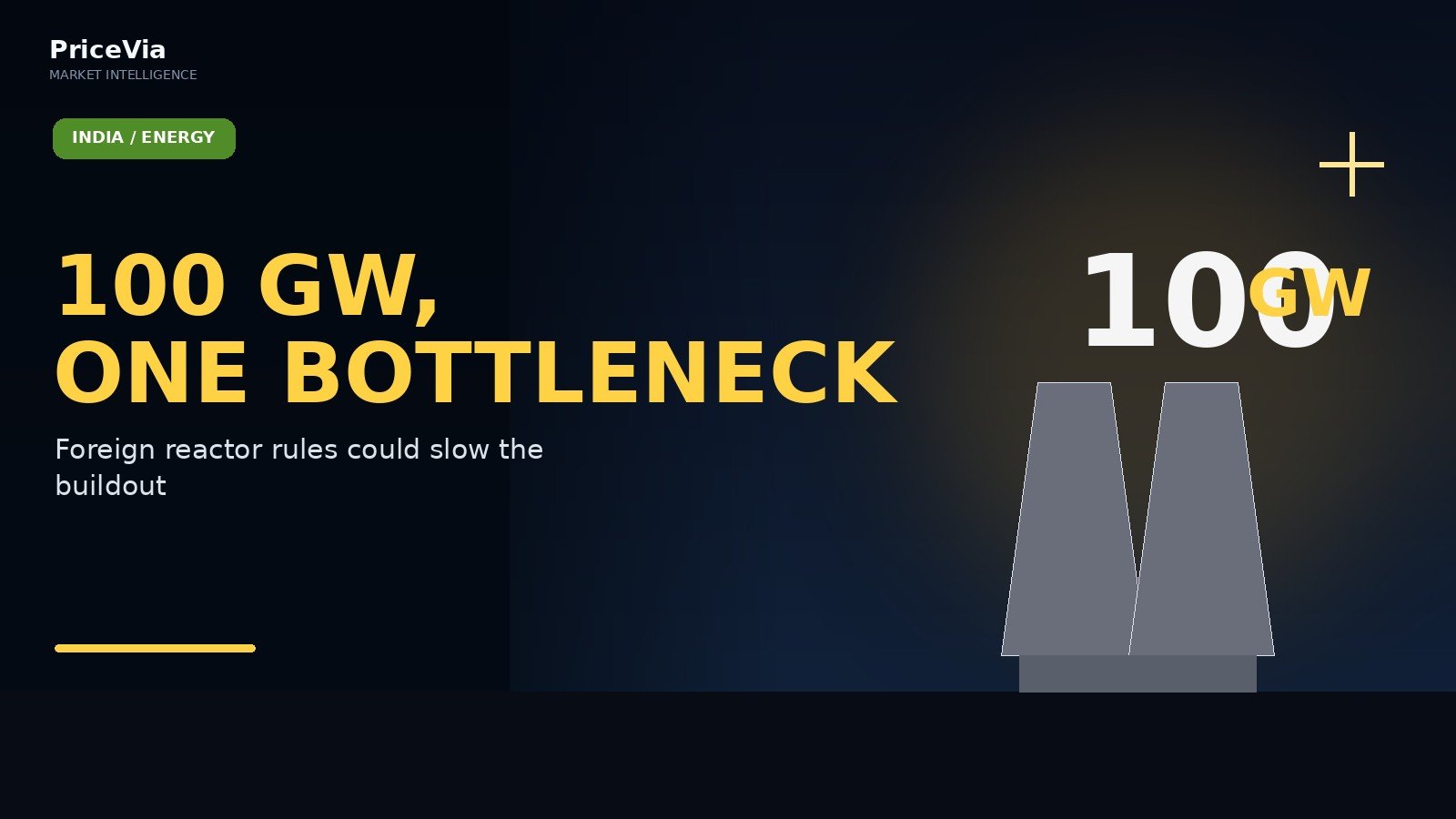
India’s nuclear ambition is no longer small: the country wants roughly 100 GW of capacity by 2045. The harder question is whether the rulebook being written today is compatible with that scale.
Draft SHANTI rules and regulations are now open for public consultation. Reuters reports that the framework would require imported reactor technologies to clear additional certification and design-approval steps. Industry advisers warn that the process could make newer foreign technologies, especially small modular reactors, harder to deploy.
What happened
The Department of Atomic Energy has invited feedback on draft SHANTI rules and regulations through September 4. The consultation follows India’s broader effort to open a sector that has historically been dominated by state ownership and domestic technology.
According to Reuters, companies seeking to use imported reactor technology would need operational and licensing certifications from the country of origin plus separate design approval from India’s atomic-energy regulator before construction can proceed.
Safety review is essential in nuclear power. The commercial concern is whether the sequencing and timelines make projects financeable.
What everyone is looking at
Investors are focused on the 100-GW target and the list of potential participants: Indian conglomerates, global reactor vendors and capital providers.
The overlooked issue is not interest. It is bankability.
Developers need to know how long design approval takes, how tariffs are set, what returns are allowed, what financial qualifications apply and how fuel arrangements work. Reuters reported that several of those commercial details are not yet explicit in the public draft.
Why SMRs matter
Small modular reactors are often promoted as a way to reduce upfront project size and broaden deployment. But many SMR designs are only beginning commercial operation globally.
If eligibility depends on a technology already operating and licensed in its home market, some of the reactor designs India hopes to evaluate may struggle to qualify early enough to help the 2045 target.
The numbers
- Target capacity: 100 GW by 2045 - Estimated industry investment need: about $210 billion - NPCIL expansion through 2032: 14 GW - Public feedback deadline: September 4 - Final rules expected after consultation and government review
Positive case
The consultation produces clear timelines, technology-neutral safety standards and predictable tariff/return rules. That would allow domestic technology and foreign reactor designs to compete on economics and safety while private capital enters at scale.
Downside case
Approval sequencing becomes slow and uncertain, foreign vendors postpone commitments and private investors cannot model project returns. India then relies too heavily on the existing state-led pipeline and misses the pace required for 100 GW.
What would change the story
The decisive document will be the final SHANTI framework. Watch for explicit approval timelines, treatment of SMRs, tariff methodology, licensing criteria and rules governing fuel and reprocessing.
Related themes
Nuclear power, Tata Power, Adani Power, Reliance Industries, NPCIL, SMRs, energy security and India’s coal transition.
PriceVia view
The reform will be judged less by how many companies are legally allowed to enter nuclear power and more by how many can actually finance and build a reactor under the final rules.
Sources & timestamp
Department of Atomic Energy public consultation; AERB licensing framework; Reuters investigation dated August 27, 2026. Verified August 28 morning IST.
Market-risk disclaimer
For information only; not investment advice. The framework is in draft form and may change materially after consultation.
Related PriceVia analysis

NSE’s $47 Billion IPO Could List This Month — But the Exchange Gets None of the Cash
Regulatory clearance has put a September listing in sight, but the proposed 148.9-million-share issue is entirely an offer for sale—so the money goes to existing shareholders, not NSE.

Tata Motors’ €3.82 Billion Iveco Offer Opens Tomorrow — 80% Is the Threshold That Changes the Deal
The €14.10-a-share offer has board backing and a committed 27.06% holder, but acceptance between 80% and 95% triggers a different route to control and delisting.
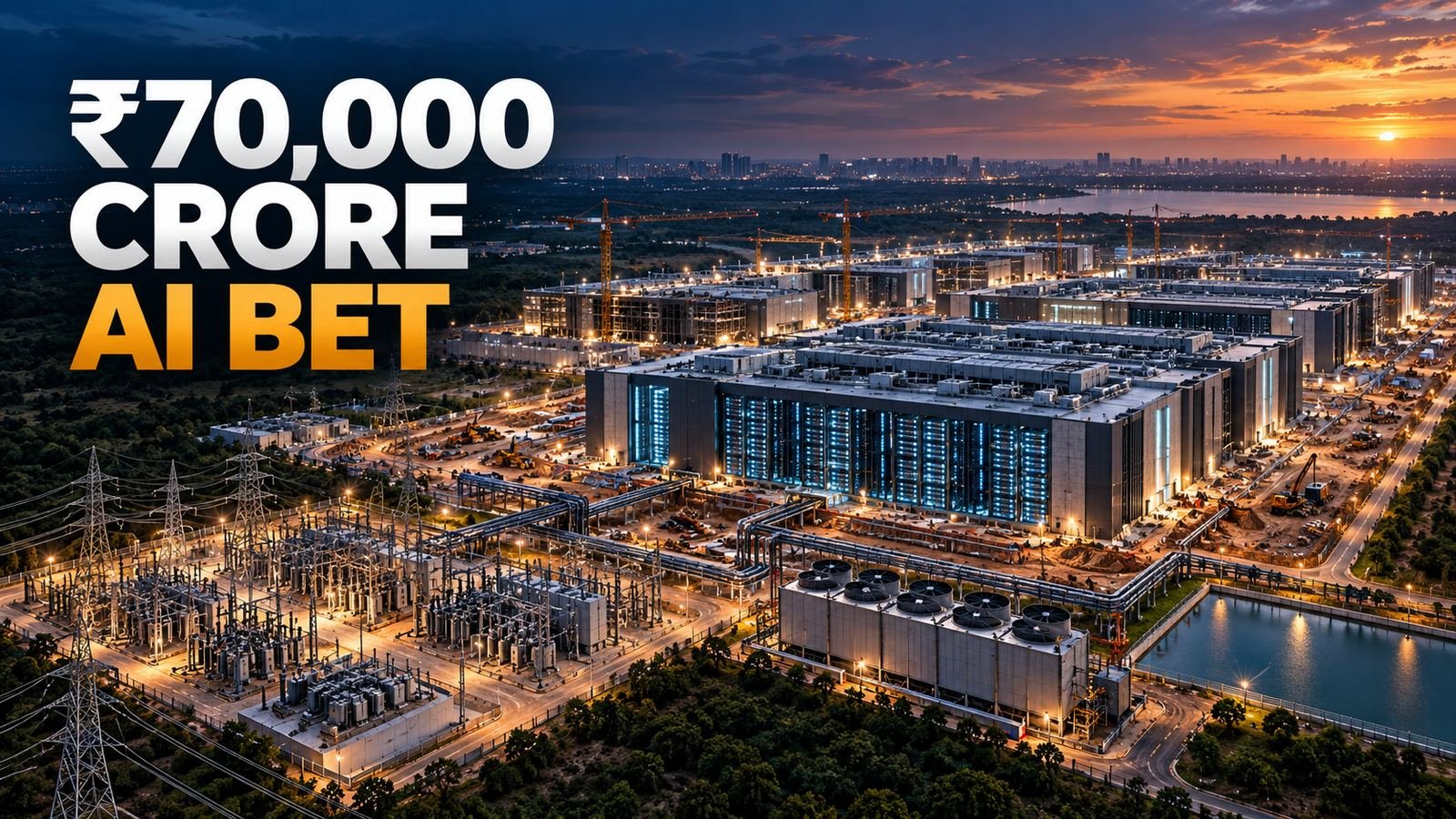
TCS Put ₹70,000 Crore Behind a 1-GW AI Campus — The Power Bill Is the Number Investors Need Next
HyperVault has secured 264 acres in Hyderabad for a data-centre campus of up to 1 GW, but phased demand, electricity access and utilisation will decide whether the record-scale plan earns its cost of capital.
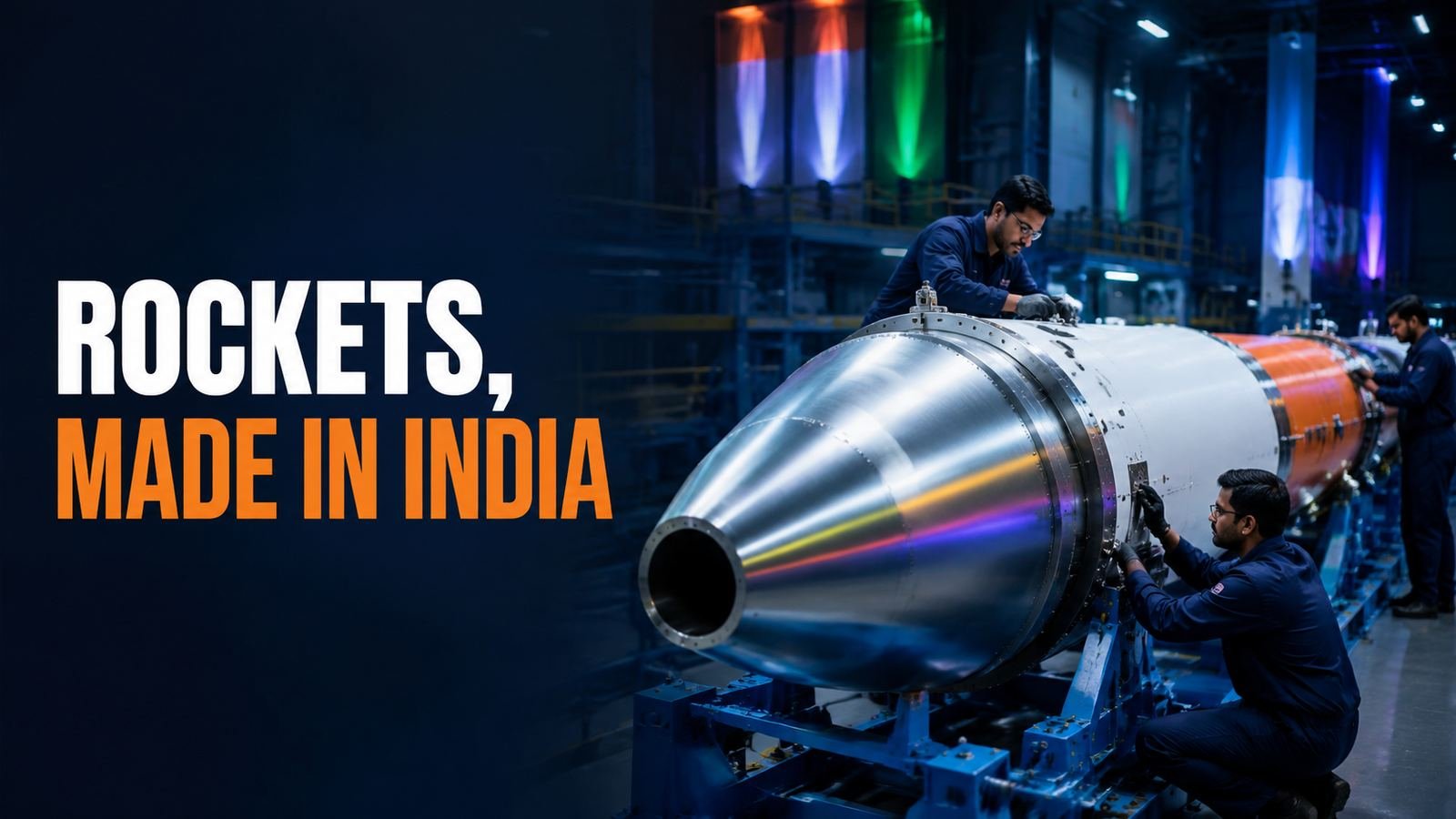
Bharat Forge Is Bringing 70-mm Rockets to India — Early 2027 Is the Date That Decides the Story
A strategic alliance promises Indian assembly of unguided and laser-guided rockets, but the investable signal is not the announcement—it is whether technology transfer becomes qualified production on schedule.