NSE’s $46 Billion IPO Opens — The 27% Options Slump Is the Number to Watch
India’s dominant exchange is seeking about $2.3 billion through an offer for sale, but its dependence on derivatives means falling options activity matters more than the ceremonial size of the listing.

NSE’s $46 Billion IPO Opens — The 27% Options Slump Is the Number to Watch
*By PriceVia Markets Desk | Published September 17, 2026 | Updated September 17, 2026*
Why this matters now
India’s dominant exchange is seeking about $2.3 billion through an offer for sale, but its dependence on derivatives means falling options activity matters more than the ceremonial size of the listing.
Key points
- NSE’s IPO targets roughly $2.3 billion at a price band of ₹1,700–₹1,785 per share. - The implied valuation is about $46 billion, with no fresh capital going to the exchange because existing holders are selling. - Options volumes are down about 27%, while roughly 80% of revenue comes from trading and around 60% of that trading revenue is linked to options.
The numbers
| Metric | Value | Context | |---|---:|---| | IPO size | About $2.3bn | Offer for sale | | Price band | ₹1,700–₹1,785 | Per share | | Implied valuation | About $46bn | At top of band | | Fresh capital | ₹0 | Existing holders sell | | Options volume change | -27% | Key operating risk | | Revenue from trading | ~80% | Options drive ~60% of it |
What happened — confirmed facts
NSE opened an IPO that could become India’s third-largest, pricing shares at ₹1,700 to ₹1,785. It is an offer for sale, so the proceeds go to existing shareholders rather than funding the exchange’s operations or expansion. [S1, S2] The valuation is reportedly 15% to 20% below levels discussed during roadshows and roughly 40% under some 2024 private-market indications. That discount arrives as regulatory changes reduce options activity, exposing the concentration within NSE’s revenue mix. [S1, S3]
What everyone is watching
Subscription demand and the final allocation will show whether public investors accept the regulatory risk at the offered discount. Grey-market chatter is not a substitute for the prospectus, institutional book or post-listing cash flows. The operating question is whether cash equities, data, listings, colocation and technology services can grow fast enough to diversify trading revenue. A powerful market position does not eliminate sensitivity to rules governing the product that produces the most income.
What the market may be missing — PriceVia analysis
PriceVia analysis: a lower valuation is not automatically cheap when the profit engine is being redesigned by regulators. The correct denominator is normalised earnings after the derivatives reset, not peak activity from the prior regime. Because the issue raises no fresh capital, listing benefits are governance, liquidity and price discovery rather than balance-sheet expansion. Investors are buying ownership from existing holders, not financing a new growth project.
Positive case
Options activity stabilises, non-transaction revenue grows and NSE converts its network advantage into durable cash flow. The valuation discount compensates for near-term regulatory uncertainty.
Downside case
Further restrictions depress volumes and fees, while technology or governance costs rise. Investors discover that the apparent discount was measured against unsustainable private-market expectations.
What would change the story
The final prospectus, subscription mix, listing valuation, quarterly options activity and revenue diversification will determine whether the offered price is genuinely conservative.
Related stocks and themes
NSE, BSE, brokers, depositories, clearing corporations, market-data businesses, options traders and Indian IPOs.
How to read it
Read the offer documents, normalise derivatives revenue and compare exchange cash flows with the valuation before using private-market marks as an anchor.
Reader checklist
- Confirm final subscription in a primary disclosure before changing the thesis. - Compare options activity with the headline narrative; they may move in different directions. - Reassess after new information on non-trading revenue rather than treating the first report as a completed outcome.
PriceVia View
The headline is the $46 billion debut; the thesis lives in a 27% volume decline. Price the exchange on the market structure it is entering, not the frenzy it is leaving.
Sources and timestamps
- [S1 — Reuters: NSE launches IPO amid derivatives caution](https://www.reuters.com/world/india/indias-nse-launch-ipo-amid-investor-caution-over-derivatives-fuelled-growth-2026-09-16/) — published 2026-09-16; accessed 2026-09-17T13:15:00+05:30 - [S2 — NSE initial public offering information](https://www.nseindia.com/investor-relations/initial-public-offering) — published 2026-09-17; accessed 2026-09-17T13:15:00+05:30 - [S3 — SEBI public issues filings](https://www.sebi.gov.in/filings/public-issues.html) — published 2026-09-17; accessed 2026-09-17T13:15:00+05:30 - [S4 — NSE investor relations](https://www.nseindia.com/investor-relations/financial-results) — published 2026-09-17; accessed 2026-09-17T13:15:00+05:30
Visual disclosure
Hero visual created specifically for this article. Thumbnail text: “NSE'S $46BN TEST”. It is an editorial illustration, not a market-data, legal or regulatory screenshot.
Market-risk disclaimer
This article is for market education and information only. It is not investment advice, a recommendation or a promise of returns. Market prices, policy decisions, deal terms and forecasts can change. Verify the latest primary disclosures and assess suitability and risk independently.
- Final subscription
- Options activity
- Non-trading revenue
Risk context: This article is for market education and information only. It is not investment advice, a recommendation or a promise of returns. Market prices, policy decisions, deal terms and forecasts can change. Verify the latest primary disclosures and assess suitability and risk independently.
- reuters.com2026-09-16
- nseindia.com2026-09-17
- sebi.gov.in2026-09-17
- nseindia.com2026-09-17
Related PriceVia analysis
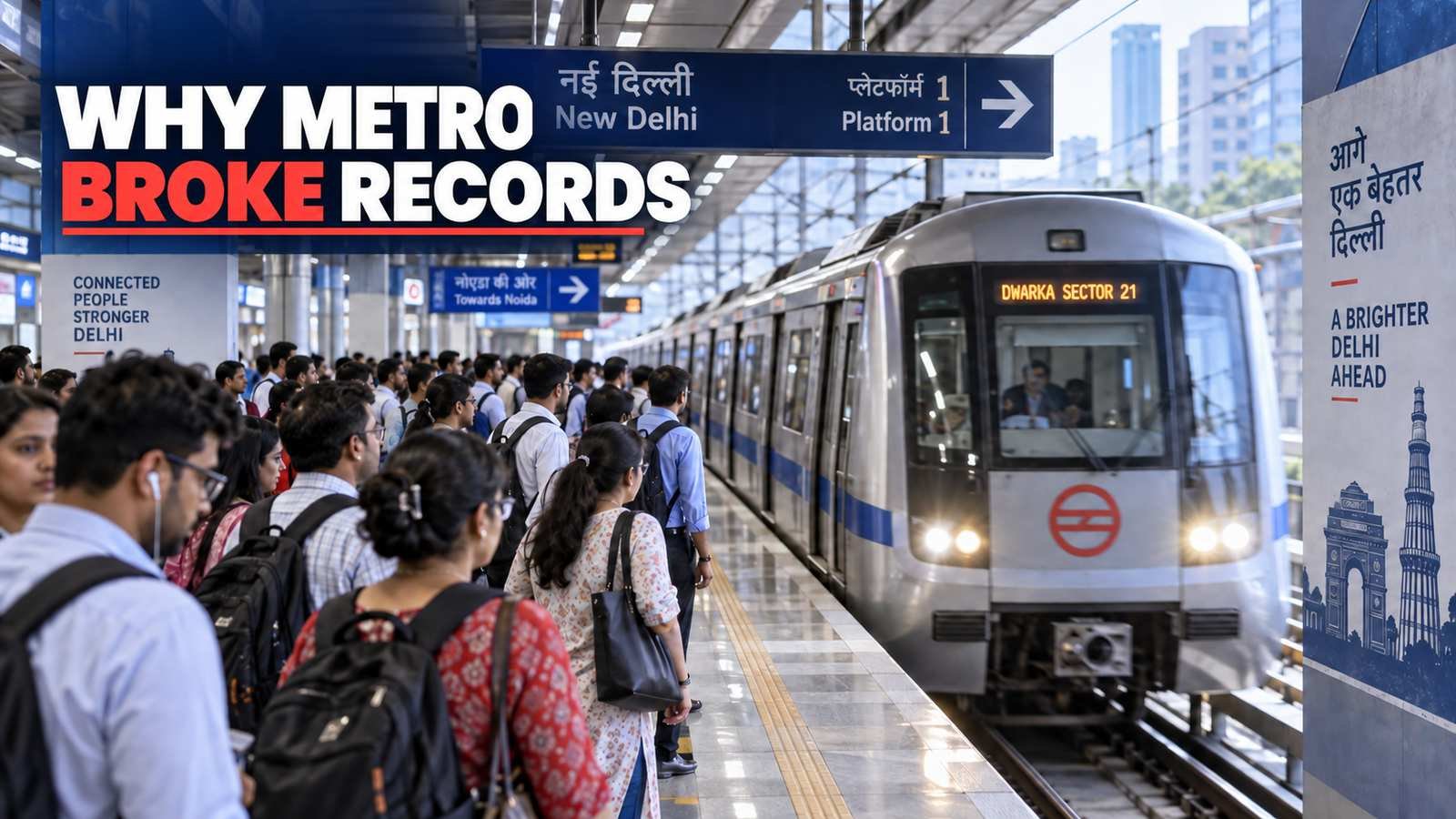
Delhi Metro Carried a Record 82.45 Lakh Riders in One Day — A Bus Strike Revealed Its Spare Capacity
A sudden DTC bus disruption pushed Delhi Metro to a new daily record, testing whether the network can absorb shocks without letting reliability deteriorate.

Tessolve Wants $500 Million of Revenue in Four Years — Two Acquisitions Could Decide the Semiconductor Services Race
The Hero Electronix-owned chip engineering specialist is evaluating two purchases as it tries to scale from design and testing into a larger global semiconductor-services platform.

India Gave Compressed Biogas an Assured Buyer — Price Support Could Finally Turn Waste Into Bankable Fuel
New GOBARdhan rules address the two questions that have stalled many waste-to-gas projects: who will buy the output and how predictable will the price be.

India's New ESG Assurance Standard Starts in April 2027 — Two Big Carve-Outs Will Shape What Investors Can Trust
SSA 5000 broadens assurance across climate, labour and biodiversity disclosures, but excludes joint audits and forward-looking statements from the international framework.