Oil India’s Haryana Waste Plan Depends on More Than Its 50 MW Headline
The power target is visible. The quality of the incoming waste and the reliability of funding could decide whether the proposed plants work economically.
What happened
Haryana announced memoranda of understanding for four integrated waste-to-energy plants to be developed by Oil Green Energy, an Oil India subsidiary. The state targets operations by October 2028, with combined processing of 5,000 tonnes of waste a day and 50 MW of power capacity. These are planned facilities, not operating results. [S1]
What investors are watching
The project size makes it easy to focus on electricity. The disclosed design is broader: wet waste is intended for compressed biogas, while non-reusable and non-recyclable dry material goes to waste-to-energy processing. [S1]
The PriceVia angle
PriceVia analysis: the input system is part of the investment case. A plant built to a nominal processing capacity still needs the right quantity and composition of waste delivered consistently. Collection, segregation and contamination affect how reliably the infrastructure can operate.
The financial structure also matters. Haryana says the proposed capital-cost split is 25% from the Centre, 25% from the state and urban local bodies, and 50% from Oil Green Energy. [S1] Those percentages describe proposed contributions; they do not prove that the full budget is sanctioned or the cash has been disbursed.
Positive scenario
If waste supply, processing technology and funding are aligned, the projects could combine a municipal service with energy production. Oil India’s own website also describes a wider programme of 25 compressed-biogas plants across India, providing context for the group’s interest in organic feedstocks. [S2]
Risks to that scenario
Waste variability, environmental compliance, construction delays and uncertain payment timing can weaken project economics. This report does not infer a profit margin or a material change in Oil India’s group earnings from the capacity announcement.
What would change the story
A disclosed project cost, financing approvals, construction milestones and commercial terms for waste handling and energy sales would make the plan easier to value. Once operations start, utilisation and cash collection will matter more than nameplate targets.
Related stocks and themes
Oil India, Oil Green Energy, municipal waste services, compressed biogas and environmental infrastructure.
Source timing and visual disclosure
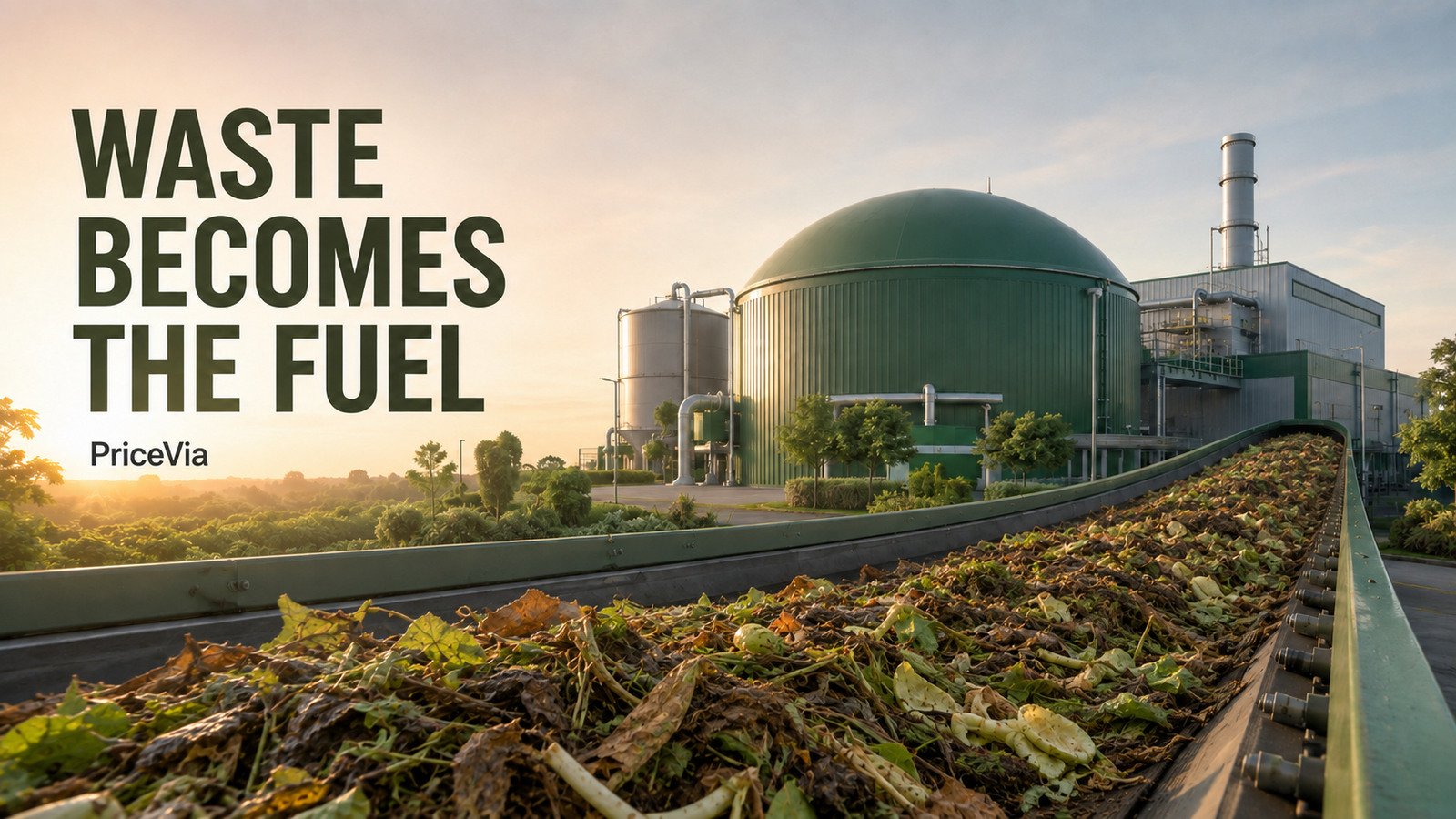
Sources checked on 2026-08-31T08:46:57+05:30. Source publication dates appear in the linked source list below. The hero image is an AI-generated editorial illustration, not a photograph of an actual transaction or facility.
Market-risk disclaimer
For information and education only; not investment advice or a recommendation to buy, sell or subscribe. Transaction terms and regulatory outcomes can change. Verify current official disclosures before making financial decisions.
Related PriceVia analysis
Ashoka Buildcon’s ₹602 Crore Rail Win Has a 30-Month Cash Test
The new tunnel-systems contract improves work visibility. Its value to shareholders will depend on delivery, billing and collections over the execution period.

Cipla’s Pune Warehouse Gets Licence Relief. The Regulatory Process Can Still Restart.
Withdrawal of the cancellation eases the immediate disruption risk, but it does not establish that every underlying issue has been finally resolved.

Clean Max’s 1.55 GW Wind Plan Is Big. The Next Contracts Will Decide Its Value.
Turbine procurement can reduce one execution bottleneck, but proposed capacity becomes commercially useful only when the rest of the project is ready.

AXISCADES’ ₹234 Crore Cloud Wave Plan Changes What Investors Need to Measure
Moving deeper into manufacturing adds a new test: turning factory capacity and customer approvals into cash returns.