The Fed Says Inflation Is Too High Everywhere — Oil Is No Longer a Sufficient Excuse
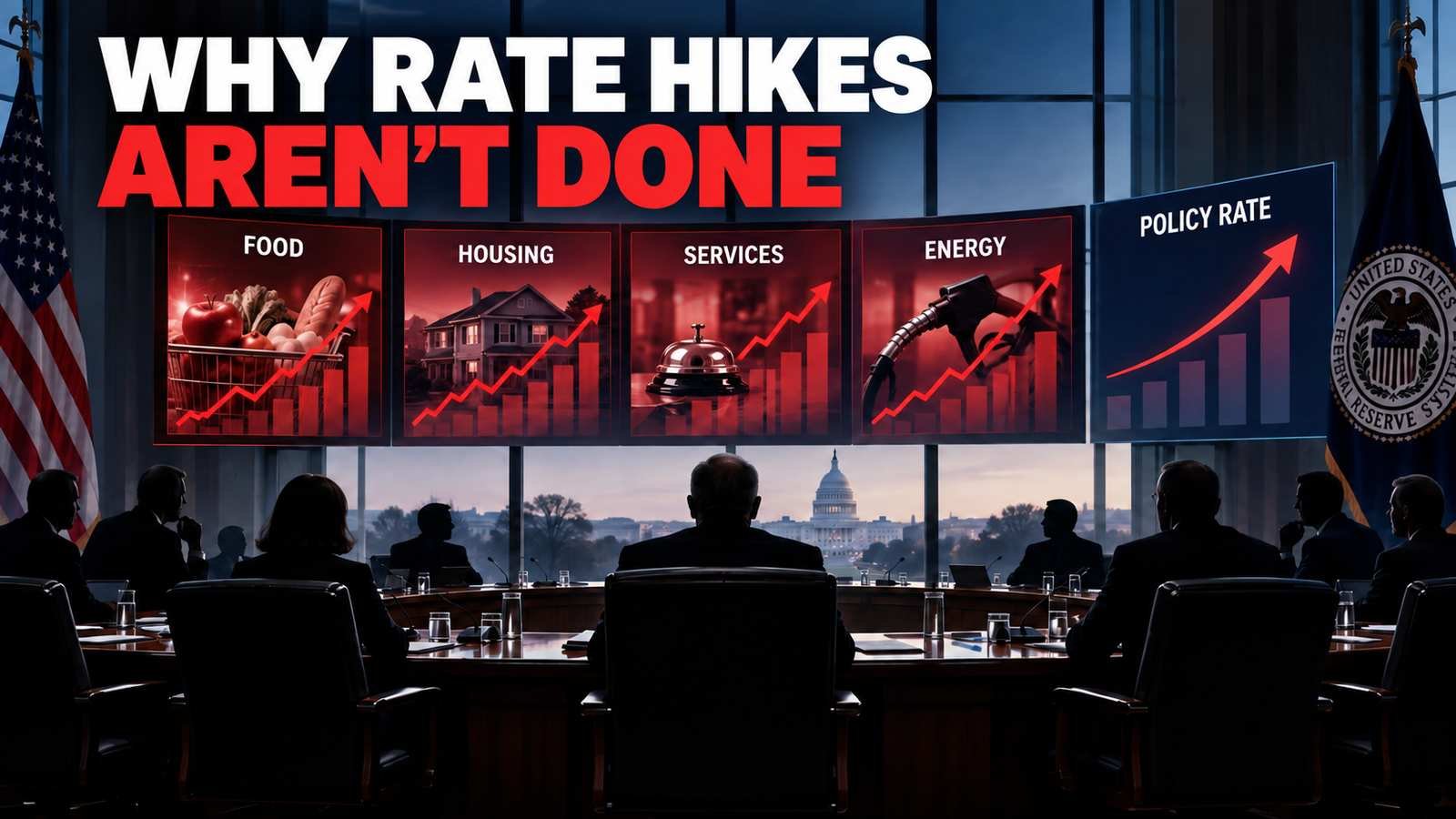
Neel Kashkari backed the latest quarter-point rate increase and argued that core pressure remains excessive, keeping another hike alive even if energy shocks fade.
What changed, why it matters, and what most people may be overlooking.
Neel Kashkari backed the latest quarter-point rate increase and argued that core pressure remains excessive, keeping another hike alive even if energy shocks fade.
Jet financiers say fuel and debt costs have overtaken aircraft shortages as the dominant worry, with some mid-life lease rates already down 5%–10%.
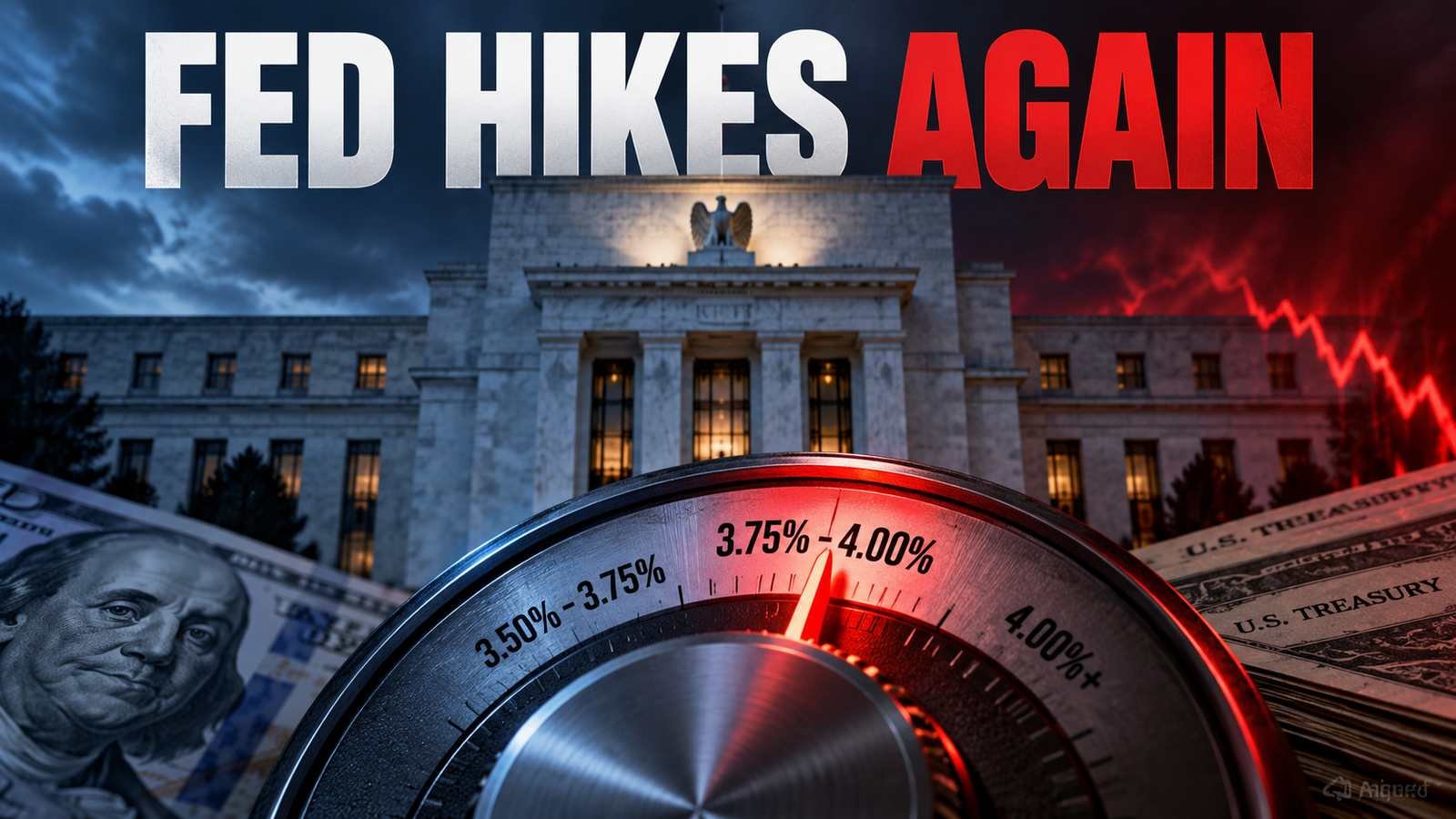
The Federal Reserve lifted its target range to 3.75%–4.00%, and 16 of 18 policymakers expect at least one more increase; markets now face an inflation fight extending well beyond one meeting.
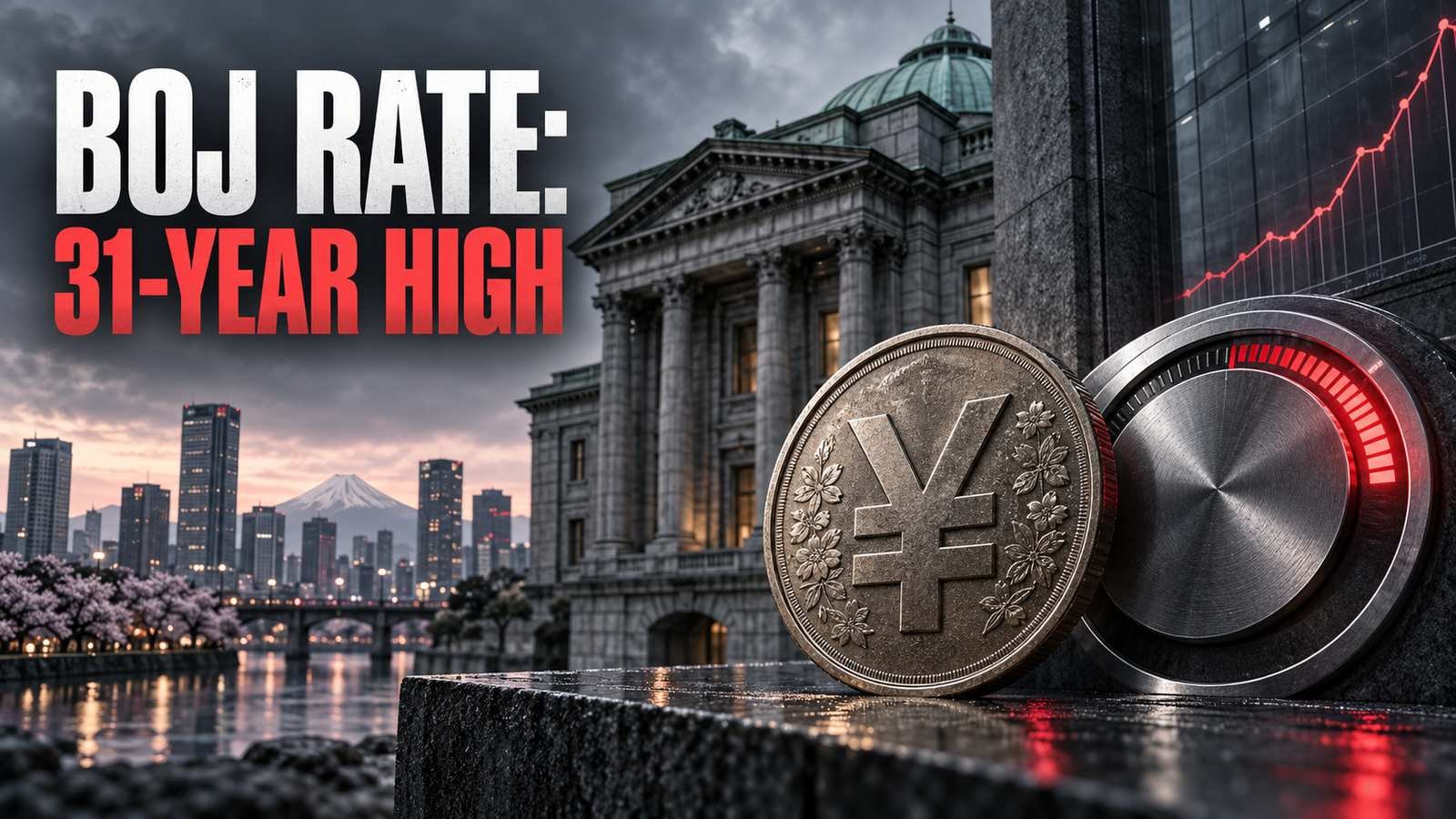
A likely 25-basis-point increase would put the BOJ rate at 1.25% and near its neutral range; the global consequence is a less dependable funding currency for leveraged trades.
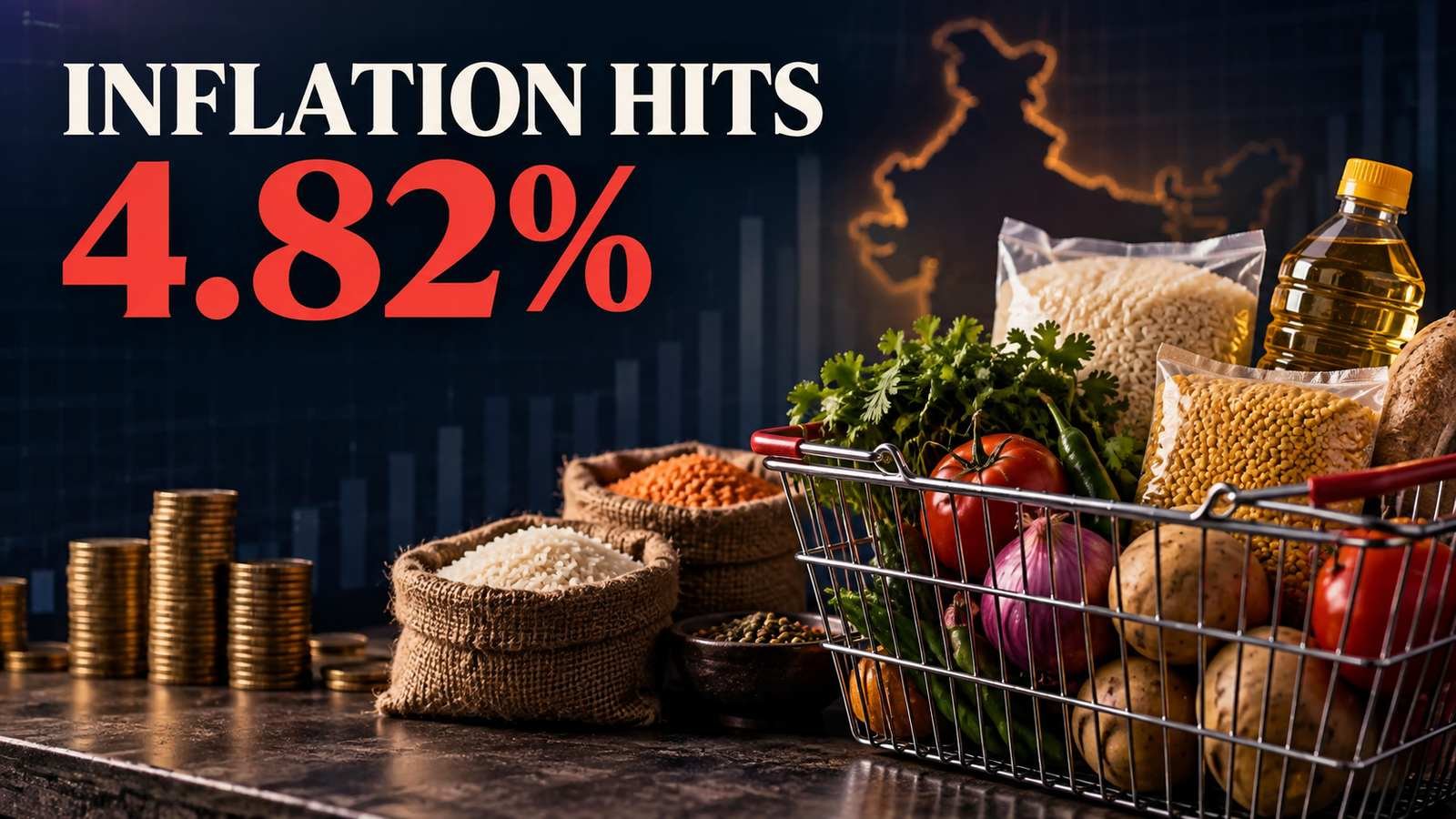
Retail inflation reached an eight-month high and food inflation climbed to 5.95%; the policy question is whether pressure is spreading beyond volatile vegetables into a stickier household-cost problem.
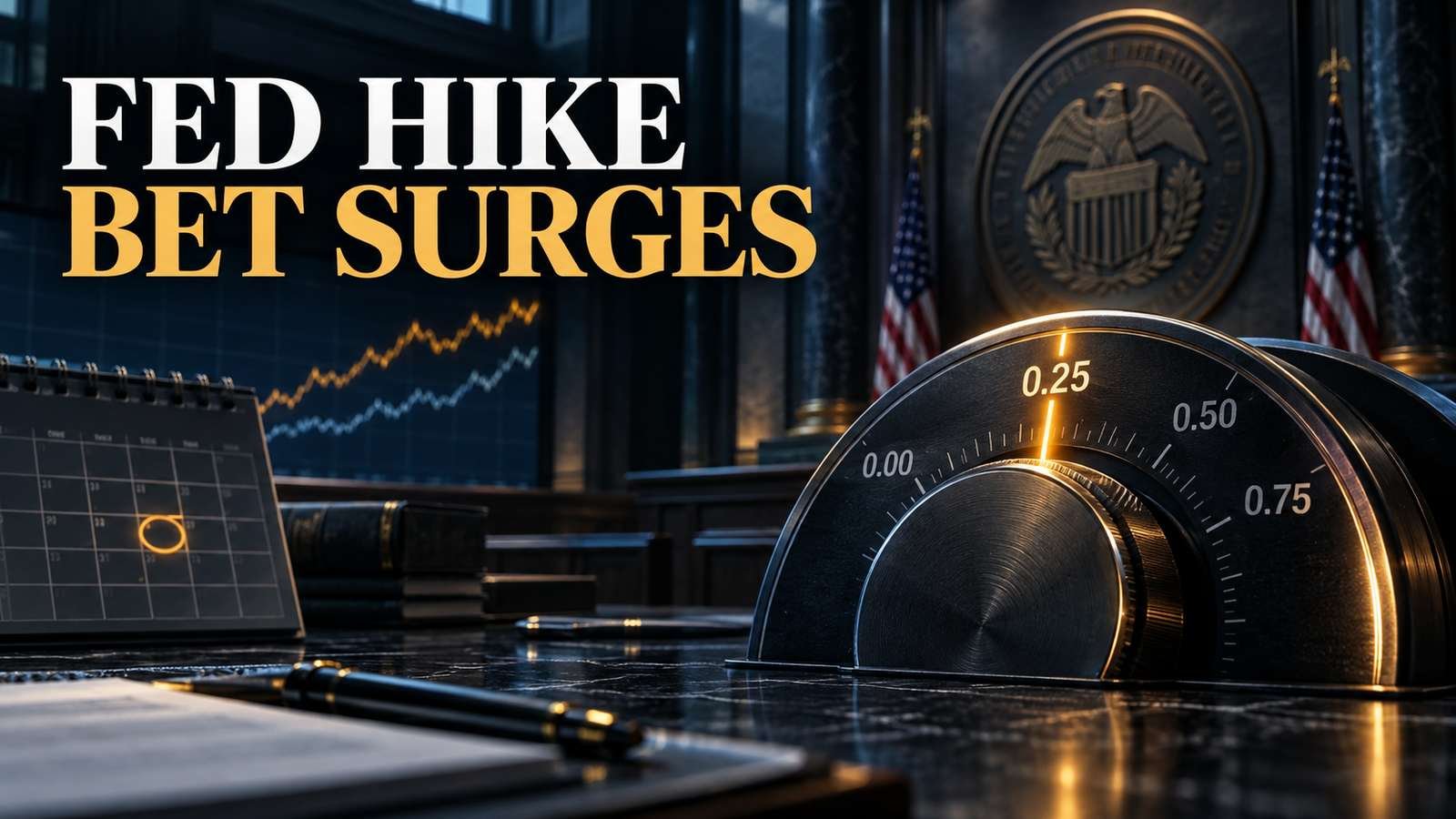
Goldman Sachs joined the tightening camp and markets price an 87% chance of a quarter-point increase as oil above $100 and hotter producer prices revive inflation risk.
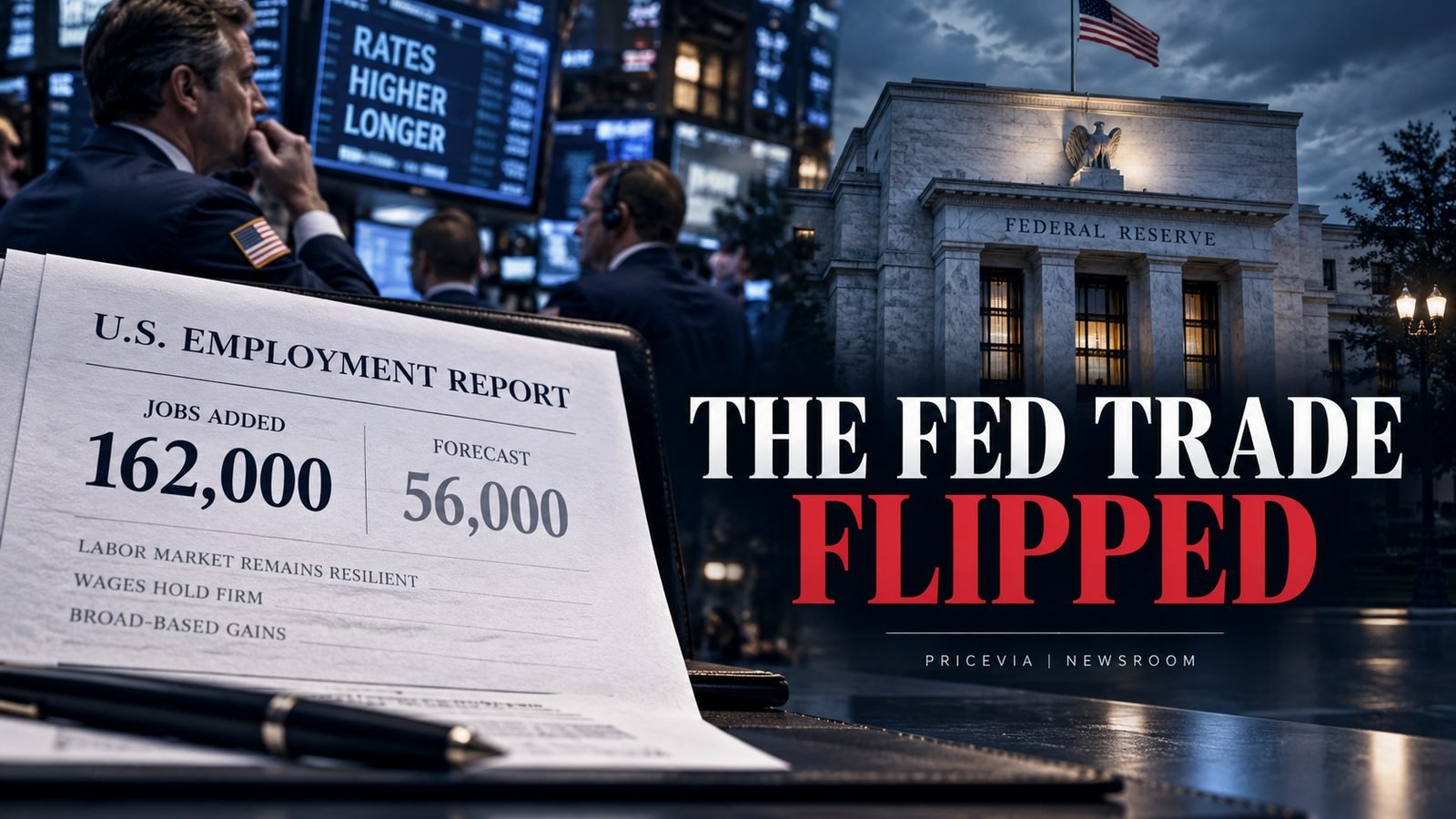
August payrolls nearly tripled the consensus estimate, pushing two-year yields to 4.37% and lifting the implied probability of a September rate increase to roughly 62% before inflation data.
The notable change is not simply the amount raised; it is that ten-year and longer money has become attractive to both issuers and long-horizon buyers.