India Collected ₹12.1 Trillion in Direct Taxes — Gross Growth Tells Only Half the Story
Net receipts grew 13% through September 17 while gross collections rose more than 15%, a healthy fiscal signal whose durability depends on refunds, corporate profits and household income.
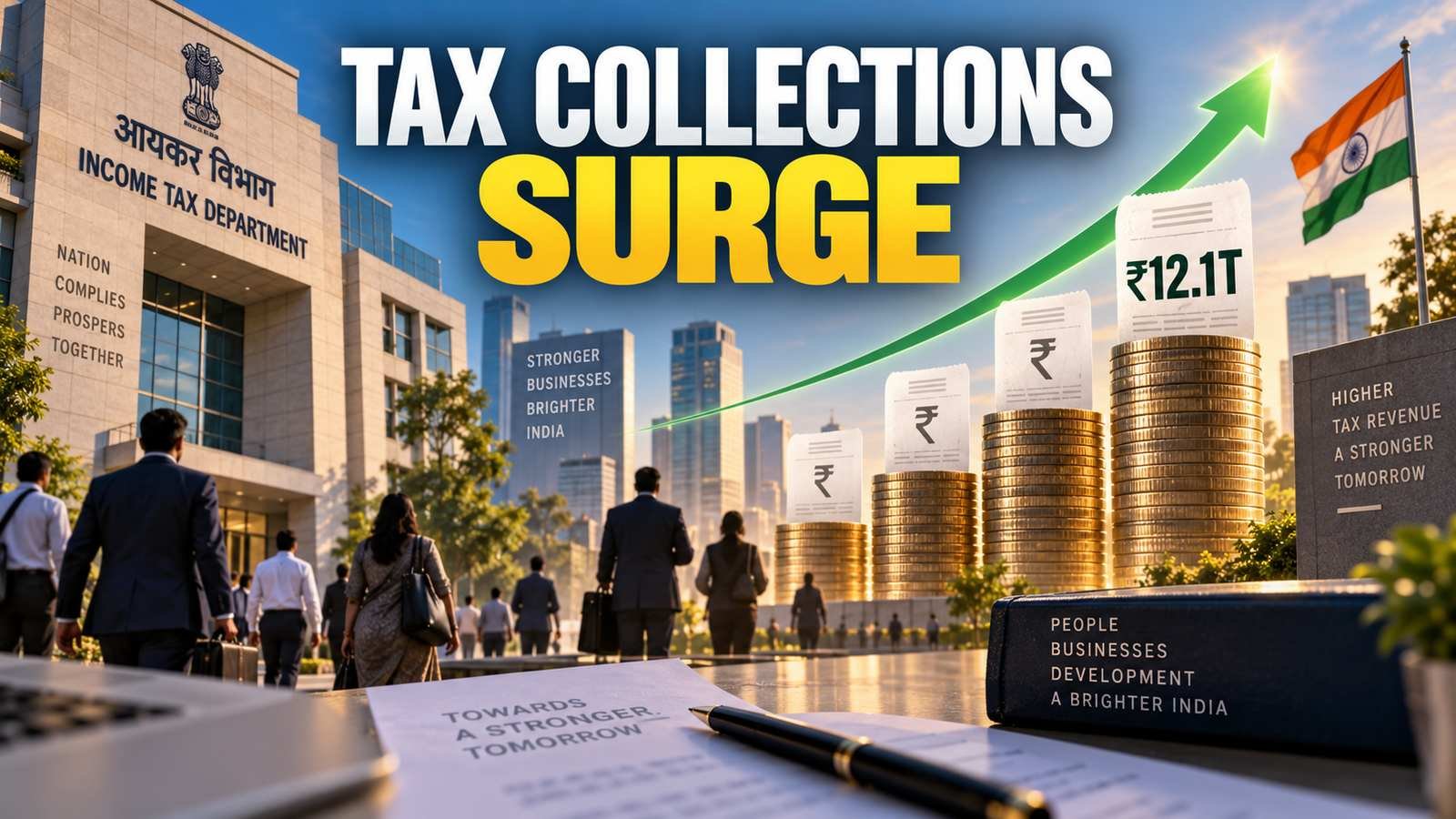
India Collected ₹12.1 Trillion in Direct Taxes — Gross Growth Tells Only Half the Story
*By PriceVia Macro Desk | Published September 18, 2026 | Updated September 18, 2026*
Why this matters now
Net receipts grew 13% through September 17 while gross collections rose more than 15%, a healthy fiscal signal whose durability depends on refunds, corporate profits and household income.
Key points
- Net direct tax collections reached ₹12.1 trillion, up 13% year on year. - Gross direct taxes rose more than 15% to ₹14.3 trillion. - The ₹2.2 trillion gap between gross and net highlights the importance of refunds and timing.
The numbers
| Metric | Value | Context | |---|---:|---| | Net collections | ₹12.1tn | April 1–September 17 | | Net growth | 13% | Year on year | | Gross collections | ₹14.3tn | Same period | | Gross growth | More than 15% | Year on year | | Gross-net gap | ₹2.2tn | Mainly refunds/timing | | Dollar value | $126.28bn | Net at reported FX |
What happened — confirmed facts
The Income Tax Department reported net direct tax receipts of ₹12.1 trillion between April 1 and September 17, up 13%. Gross corporate and personal income taxes exceeded ₹14.3 trillion and grew more than 15%. [S1, S2] Net collections are the fiscally usable measure after refunds. Their slower growth than gross collections does not by itself indicate weakness, but it makes the refund schedule and prior-year comparison necessary for interpretation. [S1, S3]
What everyone is watching
Analysts will compare the run rate with the full-year budget, nominal GDP and corporate earnings. Strong advance-tax payments are more durable than collections boosted mainly by timing or delayed refunds. Tax buoyancy can create fiscal room, but that room may already face competing claims from energy support, defence and infrastructure as external shocks raise spending pressure.
What the market may be missing — PriceVia analysis
PriceVia analysis: a large gross number can overstate cash available to government. The gap to net collections is not an accounting footnote; refunds directly change liquidity for both taxpayers and the treasury. The composition matters for economic diagnosis. Corporate-tax strength points toward profits, while personal-tax growth may reflect wages, formalisation, capital gains or enforcement—different signals for markets.
Positive case
Collections stay ahead of budget assumptions because profits, incomes and compliance improve. The government protects capex while maintaining the deficit path.
Downside case
Refunds accelerate, earnings slow or inflation weakens real activity. Headline growth fades while higher subsidy and interest costs absorb fiscal space.
What would change the story
The detailed CBDT breakup, advance-tax mix, refund growth and revised fiscal data will determine whether current momentum is structural.
Related stocks and themes
Indian banks, capital goods, consumer demand, government bonds, fiscal deficit, corporate profits and household incomes.
How to read it
Compare net receipts with budget pace and refund trends, then separate corporate, personal and securities-related contributions.
Reader checklist
- Confirm refund growth in a primary disclosure before changing the thesis. - Compare advance-tax mix with the headline narrative; they may move in different directions. - Reassess after new information on budget run rate rather than treating the first report as a completed outcome.
PriceVia View
₹12.1 trillion is strong, but net cash and composition decide its meaning. Gross collection growth should not be mistaken for unrestricted budget room.
Sources and timestamps
- [S1 — Reuters: India direct taxes rise 13%](https://www.reuters.com/world/india/indias-net-direct-tax-collections-rise-13-april-1-sept-17-2026-09-18/) — published 2026-09-18; accessed 2026-09-18T13:15:00+05:30 - [S2 — Income Tax India news](https://www.incometax.gov.in/iec/foportal/latest-news) — published 2026-09-18; accessed 2026-09-18T13:15:00+05:30 - [S3 — CBDT official portal](https://incometaxindia.gov.in/Pages/default.aspx) — published 2026-09-18; accessed 2026-09-18T13:15:00+05:30 - [S4 — Union Budget receipts](https://www.indiabudget.gov.in/) — published 2026-09-18; accessed 2026-09-18T13:15:00+05:30
Visual disclosure
Hero visual created specifically for this article. Thumbnail text: “TAX COLLECTIONS SURGE”. It is an editorial illustration, not a market-data, legal or regulatory screenshot.
Market-risk disclaimer
This article is for market education and information only. It is not investment advice, a recommendation or a promise of returns. Market prices, policy decisions, deal terms and forecasts can change. Verify the latest primary disclosures and assess suitability and risk independently.
- Refund growth
- Advance-tax mix
- Budget run rate
Risk context: This article is for market education and information only. It is not investment advice, a recommendation or a promise of returns. Market prices, policy decisions, deal terms and forecasts can change. Verify the latest primary disclosures and assess suitability and risk independently.
- reuters.com2026-09-18
- incometax.gov.in2026-09-18
- incometaxindia.gov.in2026-09-18
- indiabudget.gov.in2026-09-18
Related PriceVia analysis
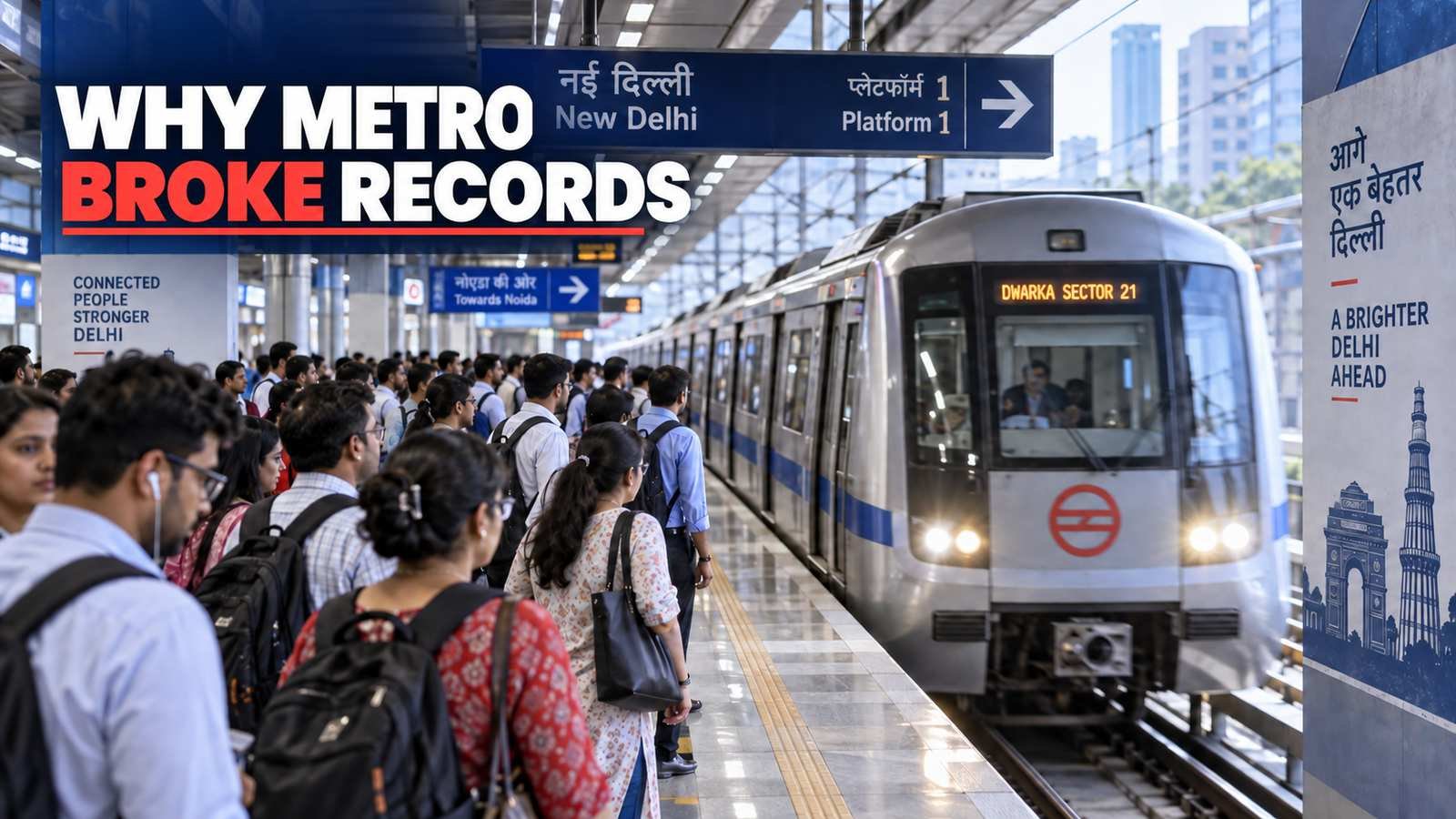
Delhi Metro Carried a Record 82.45 Lakh Riders in One Day — A Bus Strike Revealed Its Spare Capacity
A sudden DTC bus disruption pushed Delhi Metro to a new daily record, testing whether the network can absorb shocks without letting reliability deteriorate.

India Gave Compressed Biogas an Assured Buyer — Price Support Could Finally Turn Waste Into Bankable Fuel
New GOBARdhan rules address the two questions that have stalled many waste-to-gas projects: who will buy the output and how predictable will the price be.

India's New ESG Assurance Standard Starts in April 2027 — Two Big Carve-Outs Will Shape What Investors Can Trust
SSA 5000 broadens assurance across climate, labour and biodiversity disclosures, but excludes joint audits and forward-looking statements from the international framework.

India's Forex Reserves Fell $4.92 Billion — The $780.78 Billion Buffer Is Being Put to Work
The weekly decline arrived as traders reported central-bank dollar selling near a rupee record low, illustrating that reserves are insurance to be deployed—not a score that must rise every week.