India’s Private Capex Finally Moved — Oil Is the First Stress Test
Private-sector investment rose 11.9% in April–June and fixed investment reached 34.3% of GDP, but expensive energy and a weak rupee will test whether the revival lasts.

India’s Private Capex Finally Moved — Oil Is the First Stress Test
*By PriceVia Economy Desk | Published September 14, 2026 | Updated September 14, 2026*
Why this matters now
Private-sector investment rose 11.9% in April–June and fixed investment reached 34.3% of GDP, but expensive energy and a weak rupee will test whether the revival lasts.
Key points
- Private-sector capital investment increased 11.9% year on year in the April–June quarter. - Gross fixed capital formation rose to 34.3% of GDP from 31.4%. - Corporate balance sheets, factory utilisation and bank credit support the revival, while oil and financing costs threaten it.
The numbers
| Metric | Value | Context | |---|---:|---| | GDP growth | 7.8% | April–June 2026 | | Private investment growth | 11.9% | Year on year | | Fixed investment share | 34.3% | Of GDP | | Prior share | 31.4% | Year earlier | | Incremental private capex | ₹5tn+ | Year-on-year increase | | FY26 corporate capex | +11% | Reported growth |
What happened
Reuters analysis found private-sector capital investment rose 11.9% year on year in the April–June quarter as India’s economy grew 7.8%. Gross fixed capital formation increased to 34.3% of GDP from 31.4% a year earlier. [S1, S2] Corporate capital spending increased more than ₹5 trillion from a year earlier, and FY26 corporate capex rose about 11%. Investments span manufacturing, railways, semiconductors and data centres, supported by higher utilisation, stronger bank credit and healthier corporate balance sheets. [S1, S3]
What everyone is watching
The next two quarters must show projects moving from announcement to equipment orders, construction and commissioning. Data-centre commitments and memoranda should not be counted like completed productive capacity. Oil prices, the rupee and long-term yields are the immediate stress test. Higher imported energy and financing costs can weaken project returns precisely when boards are deciding whether to commit.
What the market may be missing
PriceVia analysis: public infrastructure may be crowding private capital in by creating logistics and demand rather than crowding it out. That would make the current cycle structurally different from a consumption-only rebound. The mix matters. Capex that raises export capacity or productivity can repay itself; prestige projects with imported equipment and uncertain utilisation may increase leverage without strengthening cash flow.
Positive case
Capacity utilisation stays firm, banks lend prudently and announced factories become operating assets. Private investment offsets slower public spending and broadens job creation and productivity.
Downside case
Oil, currency and rates squeeze returns, projects are postponed or investment concentrates in low-employment data centres. A global slowdown could expose overbuilt capacity.
What would change the story
Watch capital-goods orders, construction activity, bank project lending, private project completions, capacity utilisation and corporate free cash flow. Delivery matters more than announced rupee value.
Related stocks and themes
Capital goods, banks, infrastructure, manufacturing, railways, semiconductors, data centres, oil prices and the Indian rupee.
How to read it
Investors should distinguish order announcements from executable, funded capex. Suppliers with visible conversion and customers with strong balance sheets deserve more weight than headline project size.
Verification discipline
The confirmed facts above come from the cited reporting and primary sources. Readers should re-check project completions, because that is the clearest next test of whether the present interpretation still holds. Reported plans, proposals and forecasts are labelled as such; they are not treated as completed outcomes.
PriceVia View
The 11.9% rise is the clearest sign in years that India’s growth engine is broadening. The hard part begins now: keeping projects economic when imported energy and money are more expensive.
Sources and timestamps
- [S1 — Reuters: India private-sector capex revival](https://www.reuters.com/world/india/private-sector-steps-up-indias-growth-engine-broadens-2026-09-01/) — published 2026-09-01; accessed 2026-09-14T09:45:00+05:30 - [S2 — India MOSPI: national accounts](https://www.mospi.gov.in/) — published 2026-09-14; accessed 2026-09-14T09:45:00+05:30 - [S3 — RBI: corporate and credit data](https://www.rbi.org.in/) — published 2026-09-14; accessed 2026-09-14T09:45:00+05:30 - [S4 — Finance Ministry: monthly economic review](https://dea.gov.in/monthly-economic-report) — published 2026-09-14; accessed 2026-09-14T09:45:00+05:30
Visual disclosure
Hero visual created specifically for this article. Thumbnail text: “PRIVATE CAPEX RETURNS”. It is an editorial illustration, not a market-data screenshot.
Market-risk disclaimer
This article is for market education and information only. It is not investment advice, a recommendation or a promise of returns. Prices, policy decisions, deal terms and forecasts can change; verify the latest primary disclosures and assess risk independently.
- Project completions
- Capital-goods orders
- Corporate cash flow
Risk context: This article is for market education and information only. It is not investment advice, a recommendation or a promise of returns. Prices, policy decisions, deal terms and forecasts can change; verify the latest primary disclosures and assess risk independently.
- reuters.com2026-09-01
- mospi.gov.in2026-09-14
- rbi.org.in2026-09-14
- dea.gov.in2026-09-14
Related PriceVia analysis

Z.AI Raised $5 Billion — The Bond Can Turn Into Stock Within a Year
The Chinese AI developer combined a $2 billion equity placement with $3 billion of zero-coupon convertibles due in September 2027, funding compute while creating dilution and refinancing questions.

Canada Changed Its Index Gate — A $53 Billion Copper Merger May Walk Through
Foreign issuers with a material Canadian connection can qualify from December 21, potentially keeping Anglo-Teck inside the benchmark despite a London primary listing.
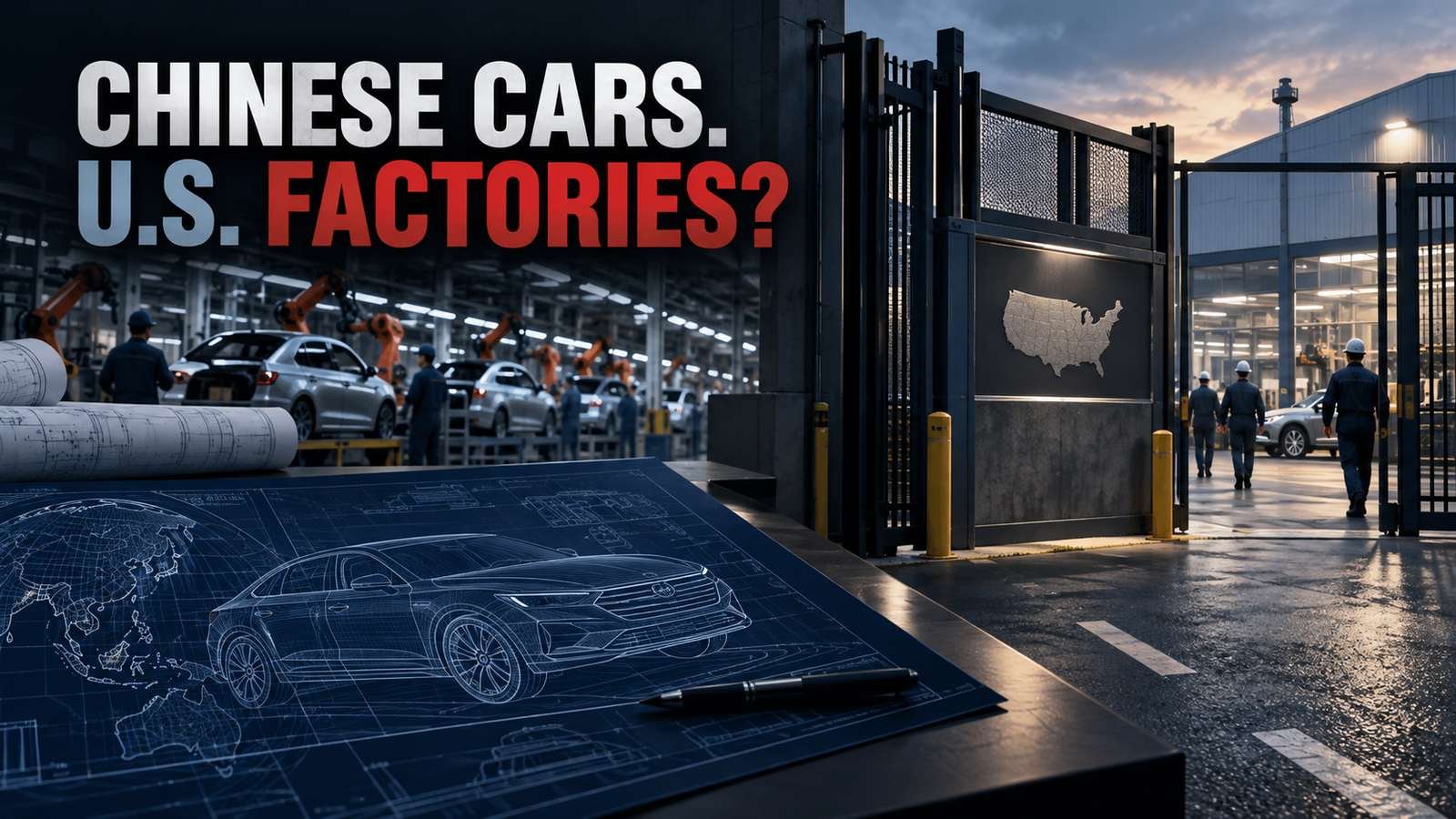
Trump Opened the Door to Chinese Car Factories — US Law Still Keeps It Shut
The president says plants that hire Americans could be acceptable, but an effective ban, tariffs above 100% and opposition from automakers and lawmakers make the path legally and politically uncertain.

Amazon Paused a Cargo Partner After Five Deaths — Logistics Speed Meets Safety Risk
The retailer suspended work with 21 Air after a 32-year-old Boeing 767 freighter overran a runway, while investigators examine speed and a considered go-around.