Lucid and Bolt Want 25,000 Robotaxis — Europe’s Hard Part Is City-by-City Permission
The partnership aims to move autonomy from trials to a fleet owned and operated by Bolt, but regulation, safety validation and local operations will decide how many vehicles actually carry passengers.

Lucid and Bolt Want 25,000 Robotaxis — Europe’s Hard Part Is City-by-City Permission
*By PriceVia Technology Desk | Published September 18, 2026 | Updated September 18, 2026*
Why this matters now
The partnership aims to move autonomy from trials to a fleet owned and operated by Bolt, but regulation, safety validation and local operations will decide how many vehicles actually carry passengers.
Key points
- Bolt plans to deploy 25,000 autonomous Lucid vehicles in major European cities. - The broader target is a 100,000-vehicle autonomous fleet by 2035. - The vehicles will use Lucid’s Midsize platform and are expected to incorporate Nvidia Hyperion for SAE Level 4 operation.
The numbers
| Metric | Value | Context | |---|---:|---| | Planned deployment | 25,000 vehicles | Europe | | Long-term fleet goal | 100,000 | By 2035 | | Automation level | SAE Level 4 | Defined operating domains | | Lucid share reaction | +5.5% | Premarket | | Separate US commitment | At least 35,000 | Uber partnership | | Operating model | Bolt-owned fleet | Planned |
What happened — confirmed facts
Lucid and Bolt announced a European robotaxi partnership based on Lucid’s upcoming Midsize platform. Bolt intends to own and operate the fleet, define requirements and build local infrastructure and city partnerships. [S1, S2] The project is expected to use Nvidia’s Hyperion architecture and target Level 4 autonomy, meaning no driver intervention within approved conditions and areas. Deployment dates, cities and commercial terms were not disclosed. [S1, S3]
What everyone is watching
Europe requires approval and operating design by jurisdiction. Mapping, insurance, remote assistance, depot operations, charging and public acceptance can become larger bottlenecks than vehicle production. The capital model deserves scrutiny. Owning 25,000 premium autonomous vehicles requires financing and high utilisation; fleet economics depend on cost per mile, downtime and empty repositioning.
What the market may be missing — PriceVia analysis
PriceVia analysis: the announcement shifts risk from technology demonstration to service operations. A car can drive itself in a test zone yet still fail as a reliable, profitable city transport network. Bolt’s ownership plan creates more upside than an asset-light marketplace, but also concentrates depreciation, maintenance and regulatory risk on its balance sheet.
Positive case
Regulators approve scalable operating domains, utilisation is high and autonomous costs fall below human-driven service. The platform expands city by city.
Downside case
Permits fragment, safety incidents slow approval or vehicle economics disappoint. The 25,000 figure remains a framework rather than delivered fleet.
What would change the story
Named launch cities, regulatory approvals, production timing, financing and paid-ride data will convert ambition into an investable operating plan.
Related stocks and themes
Lucid, Bolt, Nvidia, Uber, Waymo, Nuro, European mobility platforms, EV charging and autonomous-driving regulation.
How to read it
Treat fleet targets as conditional, and track city permits and cost per autonomous mile before extrapolating the share-price reaction.
Reader checklist
- Confirm launch cities in a primary disclosure before changing the thesis. - Compare regulatory permits with the headline narrative; they may move in different directions. - Reassess after new information on fleet utilisation rather than treating the first report as a completed outcome.
PriceVia View
Twenty-five thousand vehicles sounds like scale; Europe will approve them one operating domain at a time. Permission and utilisation are the real production line.
Sources and timestamps
- [S1 — Reuters: Lucid and Bolt plan robotaxis](https://www.reuters.com/technology/lucid-bolt-team-up-deploy-25000-robotaxis-across-europe-2026-09-17/) — published 2026-09-17 12:03 UTC; accessed 2026-09-18T13:15:00+05:30 - [S2 — Lucid investor relations](https://ir.lucidmotors.com/) — published 2026-09-18; accessed 2026-09-18T13:15:00+05:30 - [S3 — Nvidia autonomous vehicle platform](https://www.nvidia.com/en-us/self-driving-cars/) — published 2026-09-18; accessed 2026-09-18T13:15:00+05:30 - [S4 — Bolt newsroom](https://bolt.eu/en/news/) — published 2026-09-18; accessed 2026-09-18T13:15:00+05:30
Visual disclosure
Hero visual created specifically for this article. Thumbnail text: “25,000 ROBOTAXI BET”. It is an editorial illustration, not a market-data, legal or regulatory screenshot.
Market-risk disclaimer
This article is for market education and information only. It is not investment advice, a recommendation or a promise of returns. Market prices, policy decisions, deal terms and forecasts can change. Verify the latest primary disclosures and assess suitability and risk independently.
- Launch cities
- Regulatory permits
- Fleet utilisation
Risk context: This article is for market education and information only. It is not investment advice, a recommendation or a promise of returns. Market prices, policy decisions, deal terms and forecasts can change. Verify the latest primary disclosures and assess suitability and risk independently.
- reuters.com2026-09-17 12:03 UTC
- ir.lucidmotors.com2026-09-18
- nvidia.com2026-09-18
- bolt.eu2026-09-18
Related PriceVia analysis
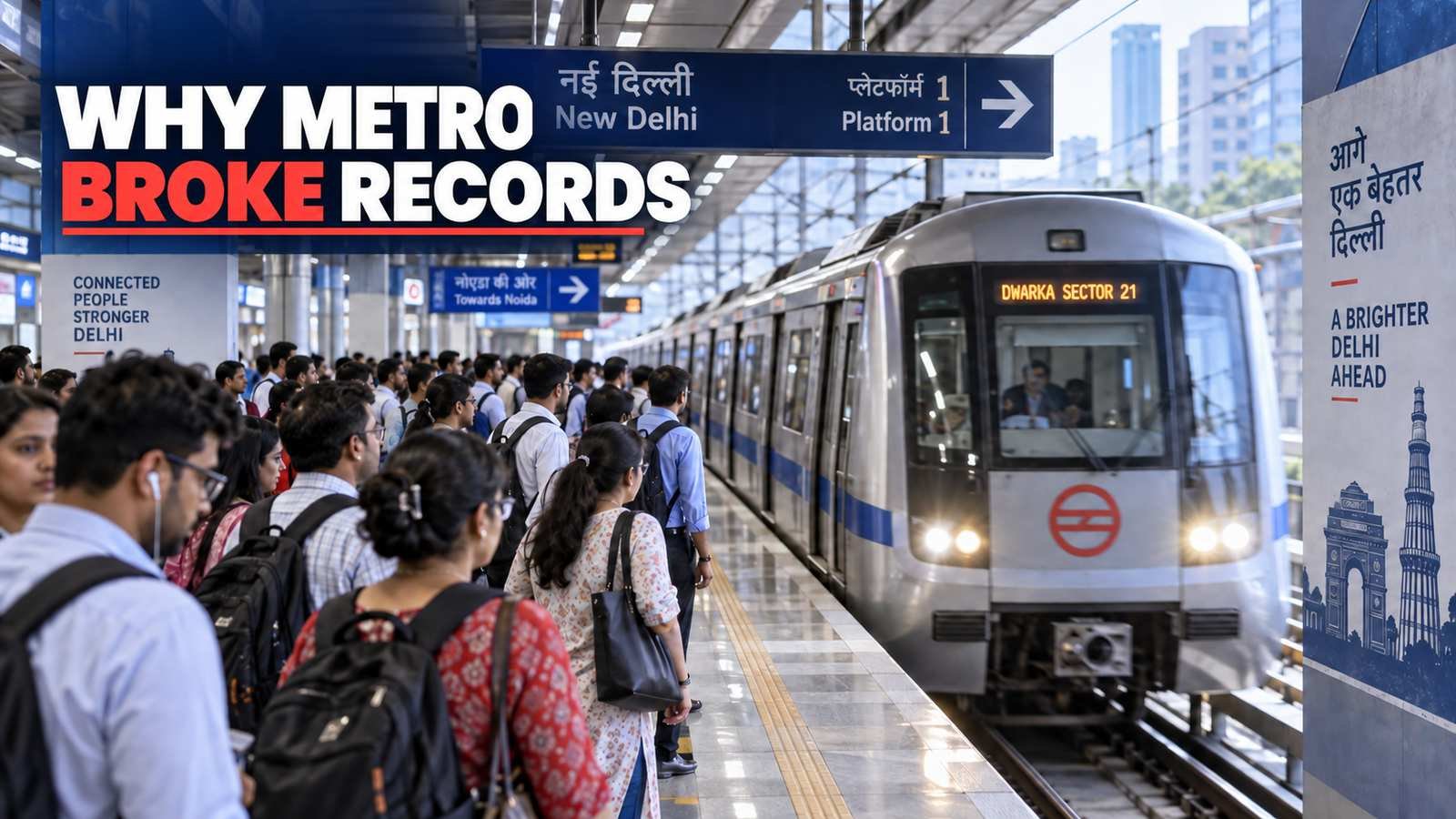
Delhi Metro Carried a Record 82.45 Lakh Riders in One Day — A Bus Strike Revealed Its Spare Capacity
A sudden DTC bus disruption pushed Delhi Metro to a new daily record, testing whether the network can absorb shocks without letting reliability deteriorate.

India Gave Compressed Biogas an Assured Buyer — Price Support Could Finally Turn Waste Into Bankable Fuel
New GOBARdhan rules address the two questions that have stalled many waste-to-gas projects: who will buy the output and how predictable will the price be.

India's New ESG Assurance Standard Starts in April 2027 — Two Big Carve-Outs Will Shape What Investors Can Trust
SSA 5000 broadens assurance across climate, labour and biodiversity disclosures, but excludes joint audits and forward-looking statements from the international framework.

India's Forex Reserves Fell $4.92 Billion — The $780.78 Billion Buffer Is Being Put to Work
The weekly decline arrived as traders reported central-bank dollar selling near a rupee record low, illustrating that reserves are insurance to be deployed—not a score that must rise every week.