Investors Want 30-Year Corporate Bonds — Companies Are Refusing to Lock In the Cost
Orders of five to ten times deal size show that pension and insurance demand is strong, but issuers prefer shorter maturities while long yields remain expensive.

Investors Want 30-Year Corporate Bonds — Companies Are Refusing to Lock In the Cost
*By PriceVia Credit Desk | Published September 20, 2026 | Updated September 20, 2026*
Why this matters now
Orders of five to ten times deal size show that pension and insurance demand is strong, but issuers prefer shorter maturities while long yields remain expensive.
This is a developing business story. PriceVia separates the reported fact pattern from interpretation, and the analysis below states where figures are estimates, plans or source-based claims.
Key points
- Aon's $2 billion 30-year deal attracted about $10 billion of orders. - GSK's $500 million 30-year sale drew demand close to ten times the offer. - Average US investment-grade order books are around four times deal size in 2026.
The numbers
| Metric | Value | Context | |---|---:|---| | Aon deal | $2bn | 30-year notes | | Aon orders | $10bn | Five times size | | GSK deal | $500m | 30-year debt | | GSK demand | ~10x | Order multiple | | IG average | ~4x | 2026 order books | | Maturity | 30 years | Scarce tenor |
What happened — confirmed facts
Bloomberg reporting carried by Business Standard described unusually strong demand for long-dated high-grade bonds. Aon received about $10 billion of orders for a $2 billion 30-year tranche, while GSK's $500 million issue was nearly ten times covered. An order book is not the same as final allocations and can be inflated by price-sensitive bids. Even so, the pattern signals demand from investors matching long-duration liabilities.
What the market may be missing — PriceVia analysis
PriceVia analysis: borrowers and investors disagree about the value of time. Asset owners want duration, while companies hesitate to lock in long yields they hope will fall. That mismatch can reward rare issuers with pricing power. It may also pull opportunistic borrowers into the market, so credit quality still matters more than scarcity.
Positive case
Inflation cools, long yields decline and more companies extend maturities without imposing capital losses on buyers.
In this case, the headline development becomes a durable operating or policy change. Confirmation would come from execution data rather than repeated statements of intent.
Downside case
Yields rise again, scarce supply masks weak covenants and investors discover that oversubscription did not protect bond prices.
The downside is not automatically the opposite of the headline. It can emerge through delay, cost, weak adoption, difficult financing or a change in the wider market backdrop.
What would change the story
Final spreads, allocations, subsequent trading and the maturity mix of new issuance would sharpen the demand signal.
Readers should give primary filings and regulator releases more weight than commentary when new evidence becomes available.
Related stocks and themes
Investment-grade credit, insurers, pension funds, duration strategies, corporate treasurers and interest-rate hedging.
Exposure can be indirect: suppliers, customers, financiers and competing technologies may react differently from the named organisation.
How to read it
Subscription multiples measure demand at a proposed price, not guaranteed performance. Check final spread and secondary trading.
Avoid turning one data point into a forecast. Compare it with the relevant base period, implementation timetable and cash-flow consequence.
Reader checklist
- Track new 30-year issuance; narrative can move before the underlying evidence. - Track final spread compression; narrative can move before the underlying evidence. - Track secondary-market performance; narrative can move before the underlying evidence.
PriceVia View
borrowers and investors disagree about the value of time. Asset owners want duration, while companies hesitate to lock in long yields they hope will fall.
The opportunity and the risk should be held together until measurable outcomes arrive. That is especially important when a story includes targets, forecasts, proposed transactions or management commentary.
Sources and timestamps
- [S1 — Business Standard/Bloomberg: long-bond scarcity](https://www.business-standard.com/world-news/companies-avoid-selling-long-term-bonds-investors-are-clamoring-for-126092000063_1.html) — published 2026-09-20; accessed 2026-09-20T17:55:00+05:30 - [S2 — SIFMA: corporate issuance](https://www.sifma.org/resources/research/us-corporate-bonds-statistics/) — published 2026-09-20; accessed 2026-09-20T17:55:00+05:30 - [S3 — Federal Reserve: financial accounts](https://www.federalreserve.gov/releases/z1/) — published 2026-09-20; accessed 2026-09-20T17:55:00+05:30 - [S4 — FINRA TRACE: bond data](https://www.finra.org/finra-data/fixed-income) — published 2026-09-20; accessed 2026-09-20T17:55:00+05:30
Visual disclosure
Hero visual created specifically for this article. Thumbnail text: “WHY BONDS ARE VANISHING”. It is an editorial illustration, not a market-data, legal, medical or regulatory screenshot.
Market-risk disclaimer
This article is for market education and information only. It is not investment advice, a recommendation or a promise of returns. Market prices, policy decisions, deal terms and forecasts can change. Verify the latest primary disclosures and assess suitability and risk independently.
- new 30-year issuance
- final spread compression
- secondary-market performance
Risk context: This article is for market education and information only. It is not investment advice, a recommendation or a promise of returns. Market prices, policy decisions, deal terms and forecasts can change. Verify the latest primary disclosures and assess suitability and risk independently.
- business-standard.com2026-09-20
- sifma.org2026-09-20
- federalreserve.gov2026-09-20
- finra.org2026-09-20
Related PriceVia analysis
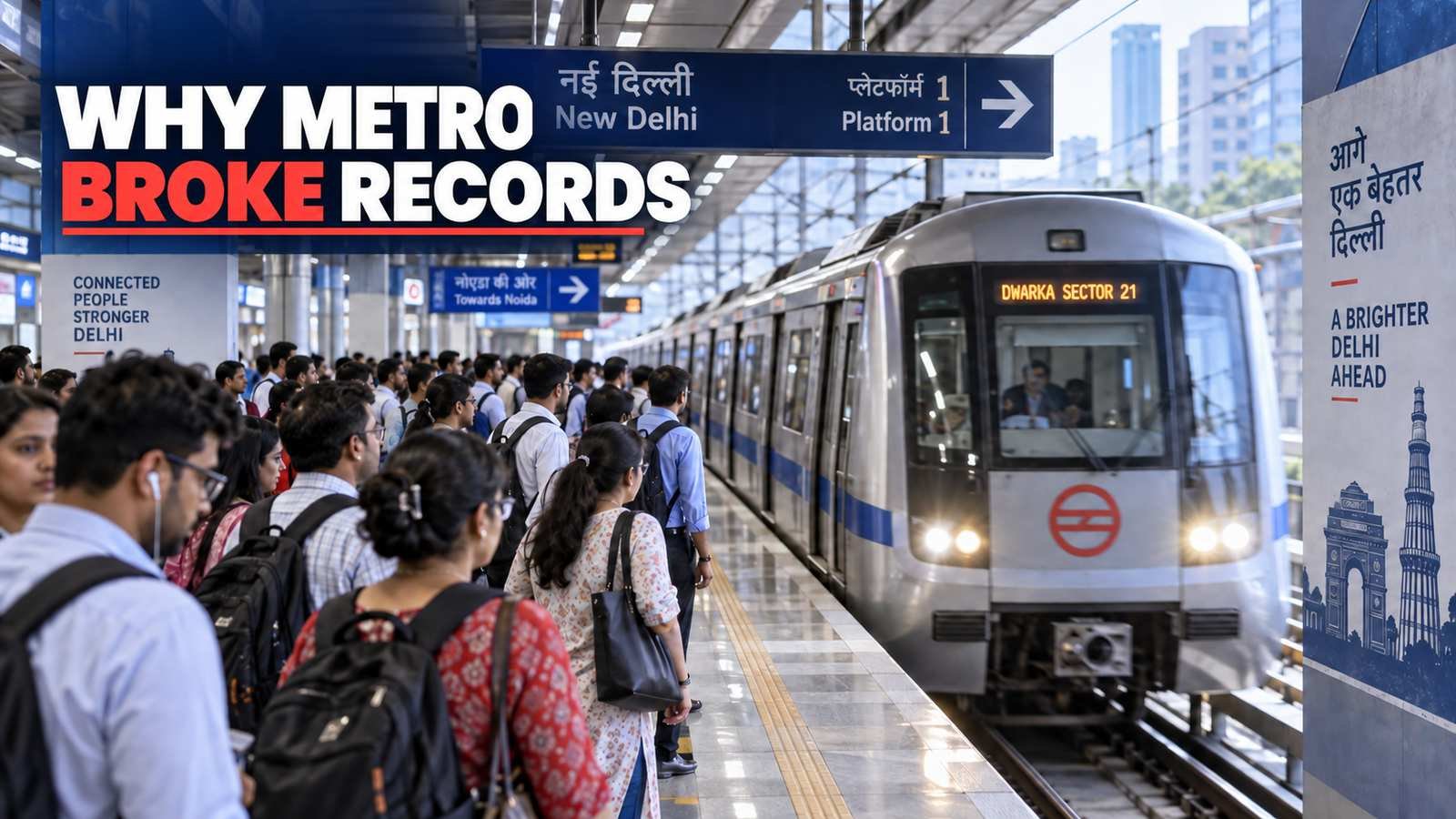
Delhi Metro Carried a Record 82.45 Lakh Riders in One Day — A Bus Strike Revealed Its Spare Capacity
A sudden DTC bus disruption pushed Delhi Metro to a new daily record, testing whether the network can absorb shocks without letting reliability deteriorate.

India Gave Compressed Biogas an Assured Buyer — Price Support Could Finally Turn Waste Into Bankable Fuel
New GOBARdhan rules address the two questions that have stalled many waste-to-gas projects: who will buy the output and how predictable will the price be.

India's New ESG Assurance Standard Starts in April 2027 — Two Big Carve-Outs Will Shape What Investors Can Trust
SSA 5000 broadens assurance across climate, labour and biodiversity disclosures, but excludes joint audits and forward-looking statements from the international framework.

India's Forex Reserves Fell $4.92 Billion — The $780.78 Billion Buffer Is Being Put to Work
The weekly decline arrived as traders reported central-bank dollar selling near a rupee record low, illustrating that reserves are insurance to be deployed—not a score that must rise every week.