$22 Billion of Capital Relief Is Splitting Wall Street’s Biggest Banks
A rule meant to relax bank capital requirements has fractured the industry because the same funding tweak could cost JPMorgan and Bank of America billions of expected relief while helping Goldman Sachs and Morgan Stanley.
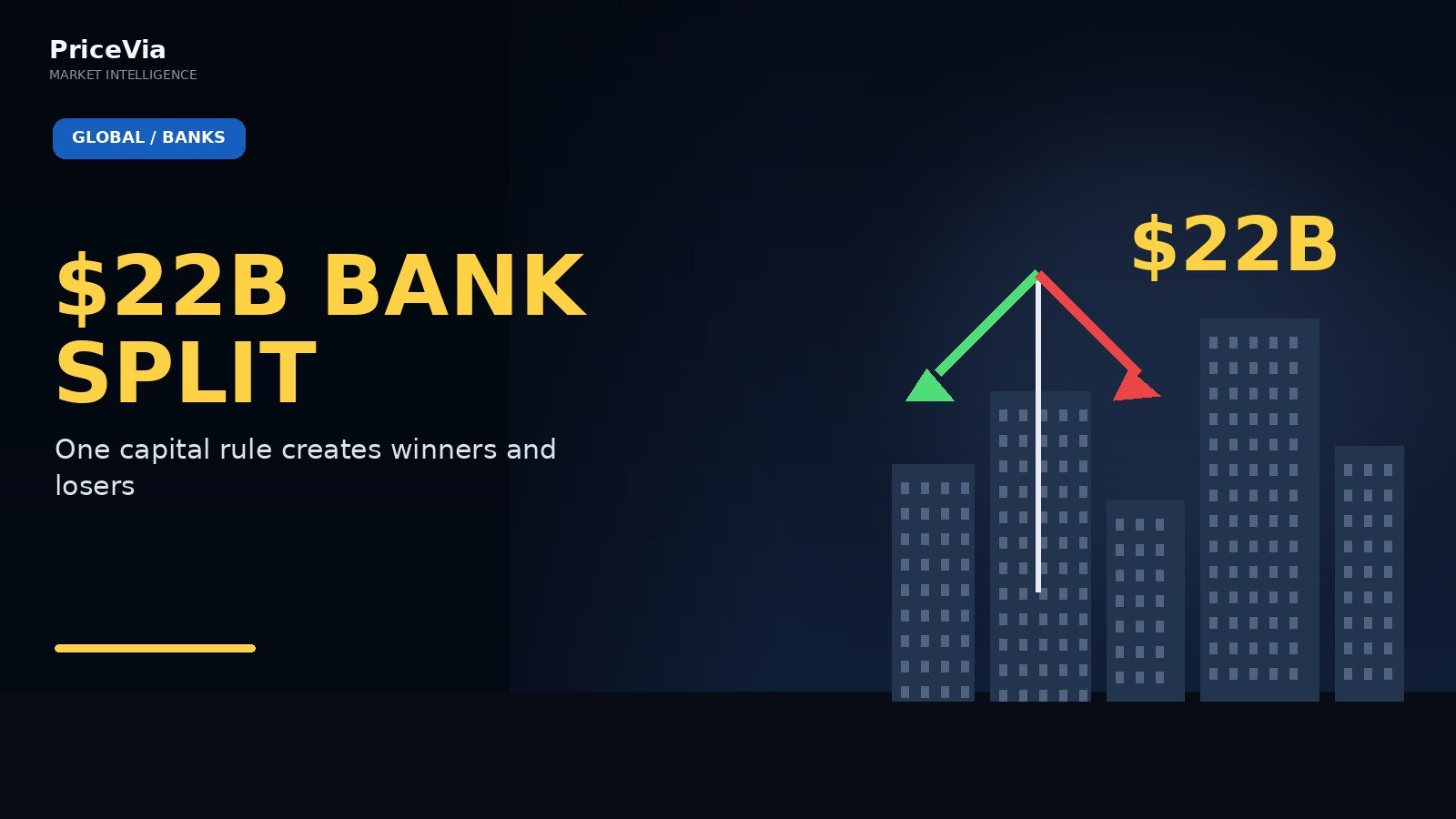
Wall Street’s biggest banks spent years fighting together for lower capital requirements. Now that regulators are close to delivering relief, the alliance is breaking apart.
The dispute is over one technical part of the Federal Reserve’s proposed overhaul of the GSIB surcharge: how short-term wholesale funding is measured. JPMorgan and Bank of America say the proposed approach leaves them with much less capital relief than they expected, while Goldman Sachs and Morgan Stanley stand to benefit.
What changed
Reuters reported that JPMorgan estimates the funding tweak could reduce its expected capital relief by $13 billion and Bank of America’s by $9 billion. JPMorgan’s analysis suggests Goldman and Morgan Stanley could each gain an extra $1–2 billion.
The banks still support the broader effort to reduce capital burdens. They disagree over how the benefits should be distributed.
What everyone is looking at
Capital rules sound abstract until they affect lending, trading and shareholder returns.
A bank with lower required capital can support more assets or return more cash through dividends and buybacks, subject to other constraints. A few billion dollars of regulatory capital can therefore change strategic choices.
What the market may be missing
The fight reveals a business-model conflict.
JPMorgan and Bank of America have huge deposit franchises. Goldman and Morgan Stanley rely more heavily on wholesale funding and market activities. A formula intended to be more risk-sensitive changes the relative economics of those models.
That means the lobbying battle is not simply “banks versus regulators.” It is bank versus bank.
Key numbers
- JPMorgan estimated lost relief: $13B - Bank of America: $9B - Goldman/Morgan Stanley potential additional relief: ~$1–2B each - Rule: GSIB surcharge treatment of short-term wholesale funding - Timing: Fed targeting completion by year-end
Positive case
The Fed finalises a framework that reduces overall capital while preserving risk sensitivity, giving the sector more flexibility without materially weakening resilience.
Downside case
The rule creates incentives to favour more fragile funding structures or becomes a political fight that delays the broader capital overhaul.
What would change the story
The final Fed text, any change to the wholesale-funding formula, bank-specific capital estimates and resulting buyback/lending plans will determine the real winners.
Related themes
JPMorgan, Bank of America, Goldman Sachs, Morgan Stanley, Federal Reserve, bank regulation and capital returns.
PriceVia view
The most useful signal is the disagreement itself. When banks stop lobbying as a bloc, it means the final rule is no longer just about how much capital the industry holds — it is about who gets the competitive advantage.
Sources & timestamp
Reuters investigation dated August 27, 2026 and Federal Reserve regulatory materials; verified August 28 morning IST.
Market-risk disclaimer
For information only; not investment advice. Proposed regulations can change before finalisation.
Related PriceVia analysis
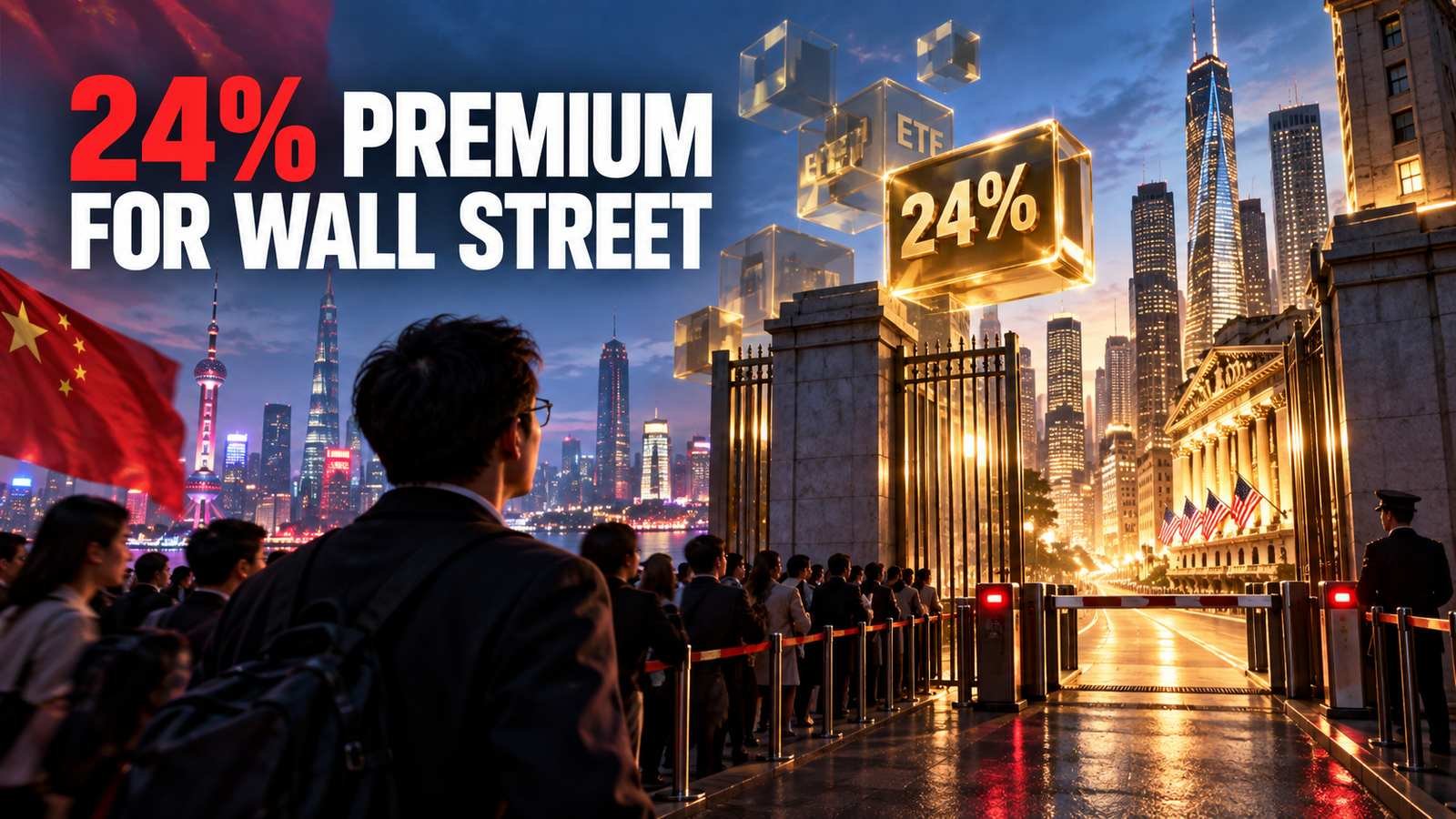
Chinese Investors Paid a 24% Premium for Wall Street — That Is Demand, Not Value
A $6.8 billion quota increase unleashed pent-up demand for U.S. technology funds, but extreme ETF premiums mean some buyers are paying far more than the assets are worth.
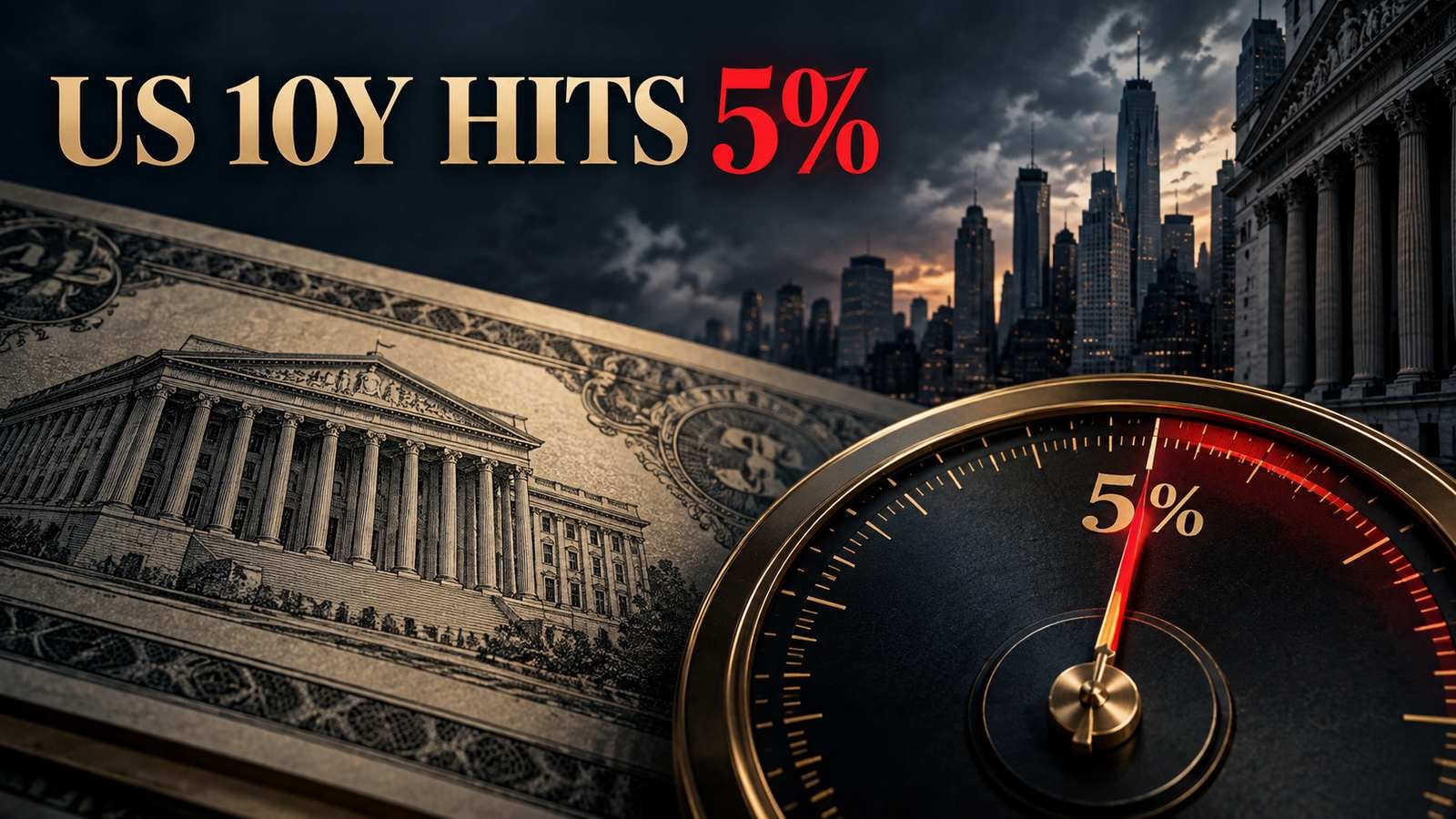
The US 10-Year Yield Crossed 5% — Stocks Just Lost Their Easiest Argument
The benchmark yield returned to a level last seen in 2023 as oil, inflation, debt supply and Fed expectations collided; the key consequence is a higher hurdle rate for almost every risk asset.

BRICS Wants to Rewrite Global Finance — Payments Are the First Real Test
Finance ministers demanded a bigger emerging-market voice and faster, cheaper cross-border payments; turning a joint statement into interoperable infrastructure is the harder step.

ByteDance Borrowed $29.6 Billion Without Collateral — Nearly 30 Banks Wanted In
The three-year facility grew from a $20 billion target after overwhelming lender demand, with Chinese banks providing more than 60% and overseas AI infrastructure absorbing much of the capital.